Learn>Explore by Concern>Menopause Hair Loss

The Complete Guide to Menopause Hair Loss

Menopausal hair loss growth serum with PTT6

Why Trust This Guide?

Menopause hair loss is one of the most common yet least discussed symptoms of midlife hormonal change. Despite affecting millions of women worldwide, many women struggle to find clear, evidence-based information that explains why their hair is changing and what can be done about it.

This guide brings together insights from clinical studies, trichologists, dermatologists, scalp specialists and women’s health experts who regularly treat women experiencing hair thinning during perimenopause, menopause and post-menopause.

The information throughout this guide has been compiled from CALECIM Professional's menopause hair loss resource library, including interviews and commentary from leading practitioners such as Dr Manav Bawa, Kelly Morrell, Dr Sharon Wong, Dr Angela Tewari, Dr Munir Somji, Anabel Kingsley and Eva Proudman.

It also incorporates perspectives from beauty journalist Sophie Beresiner, whose personal experience with perimenopausal hair loss was featured in The Sunday Times, helping to bring greater awareness to the emotional impact of female hair loss.

Together, these expert insights help explain the science behind menopause hair loss, the treatment options available today and the practical steps women can take to support healthier-looking hair growth.

At a Glance

Menopause hair loss can appear as increased shedding, reduced volume, a widening part, visible scalp, finer texture or slower regrowth. It is often linked to hormonal change, follicle miniaturization, genetics, nutrition, stress, sleep and overall health. Treatment depends on the cause and may include medical evaluation, nutritional support, scalp health optimisation, HRT where appropriate, minoxidil, professional treatments and growth factor-based approaches such as CALECIM’s PTT-6® Hair Serum protocol. Earlier and consistent intervention is usually associated with better outcomes.

Explore Further
How to stop COVID-related hair loss
After illness or COVID-19
Is female hair loss different?
Stress and major life events
Do weight loss drugs affect hair and skin?
GLP-1 medication and weight change
Share

Menopause Basics

What Is Menopause Hair Loss?

Menopause hair loss refers to the thinning, shedding and reduction in hair density that can occur during perimenopause, menopause and post-menopause. Hormonal changes may affect the hair growth cycle, leading to reduced volume, increased scalp visibility and slower regrowth. For many women, the first signs are subtle. Hair may feel less dense, a ponytail may become thinner or.

Read more Read less

Published in


For many women, menopause doesn’t just bring hot flushes and mood swings, it can have a noticeable impact on their hair, too. Yet hair loss is rarely discussed as openly as other concerns, leaving many women feeling isolated and unsure whether their symptoms are normal (and if they can be treated).

To better understand what’s happening, I spoke to Dr Manav Bawa, medical director at Time Clinic, and Kelly Morrell, scalp specialist and founder of Scalp Confidential, both of whom regularly treat midlife women experiencing hair thinning.

“The headline change is falling estrogen and progesterone,” explains Dr Bawa.

“Hair follicles are very hormonally sensitive; as estrogen falls, many women experience a shift toward a relative androgen effect at the follicle. This can contribute to follicle miniaturization and a higher tendency to shed.”

Kelly sees this daily in-clinic. “Approximately 50 per cent of my clients are over 40 and experiencing hair thinning of some kind,” she says. The reassuring part? While common, menopausal hair thinning isn’t beyond intervention. From hormone replacement therapy (HRT) and nutritional support to products which can help improve the appearance of thinning hair, there are now multiple approaches available, including CALECIM® Hair Serum.

"Two key processes are at play during menopause: Firstly female pattern hair loss, which is often realized as a widening central parting, crown thinning or temple recession. And miniaturization, which means thicker terminal hairs progressively convert to finer hairs." - Dr Bawa
Featured Products

Used both in specialist clinics and at-home, the system combines a topical serum containing PTT-6® exosomal proteins with a medical-grade dermastamper. The controlled micro-stamping technique creates temporary micro-channels in the scalp to enhance delivery of the serum, which can help improve the appearance of thinning hair.

What menopause does to the hair growth cycle

According to Dr Bawa, two key processes are at play during menopause: miniaturization and cycle disruption. “A common theme is female pattern hair loss, which is often realized as a widening central parting, crown thinning or temple recession,” he explains. “Miniaturization means thicker terminal hairs progressively convert to finer hairs. At the same time, more hairs shift into the resting or shedding phase.”

Reduced estrogen is central to this shift. “Clinically, reduced estrogen is associated with a shorter growth phase and relatively more hairs entering shedding,” he says. “Women often say: ‘I’m shedding more,’ and ‘What grows back is finer.’”

Kelly sees these changes reflected in patient experience. “The scalp appears more visible, partings widen, shedding occurs in varying degrees,” she says. “Hair texture can change: hair can become drier, less voluminous, lacklustre, frizzy, finer or limp.”

Importantly, she notes the emotional impact. “Hair is closely tied to identity, femininity and perceived vitality,” she says. “In midlife, hair loss can feel like a visible loss of self.”

Understanding the biology behind these changes is the first step toward deciding what kind of intervention may help.

HRT, nutrition and a layered approach

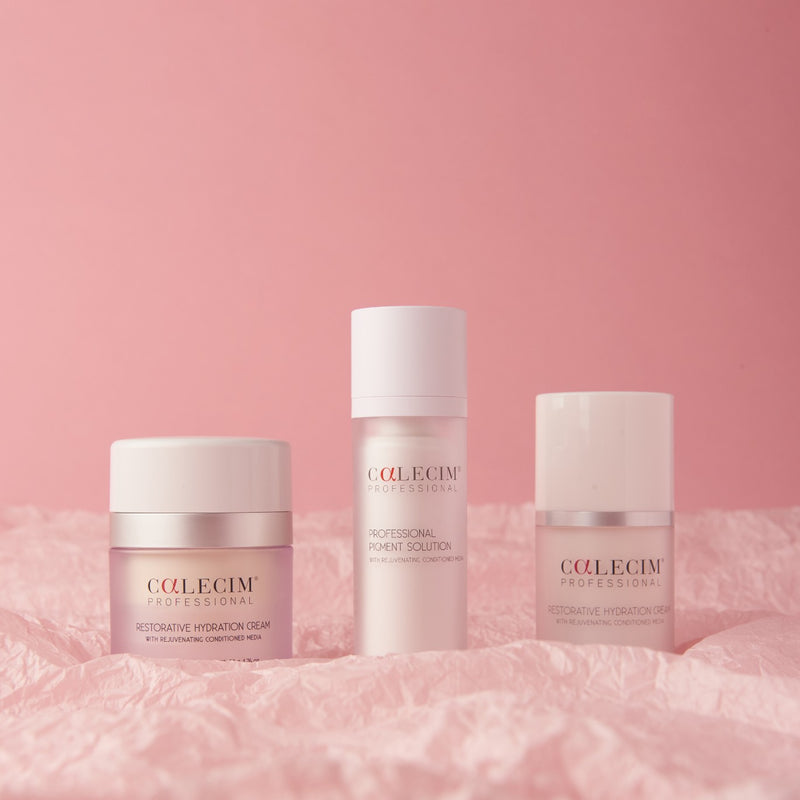
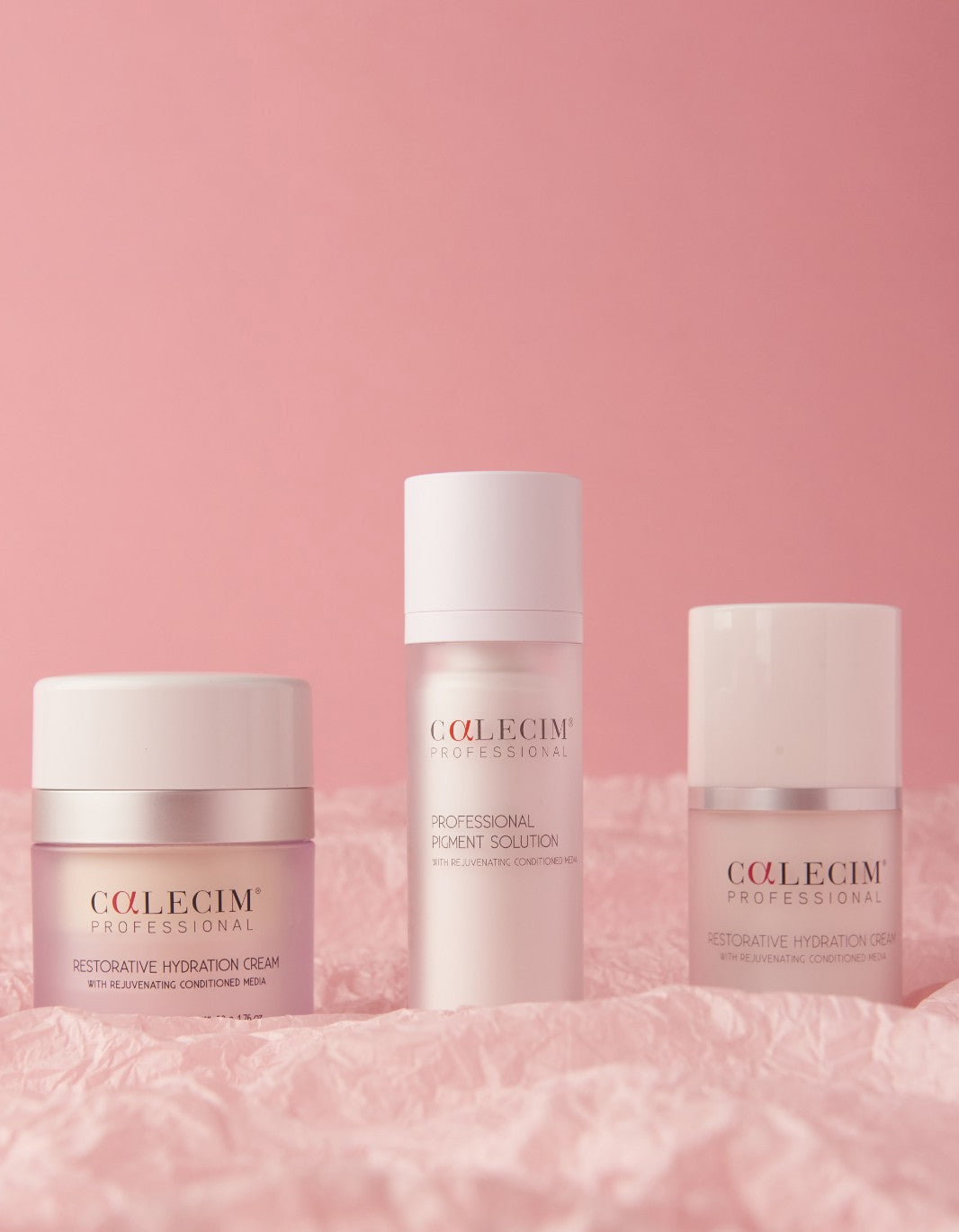
Discover layered support, from HRT to nutrition and topical products (CALECIM® Professional)

While declining estrogen is central, both experts stress that more factors are often at play when it comes to midlife hair thinning. “HRT can help some women, but I wouldn’t call it reliably ‘hair-restorative’ as a standalone,” says Dr Bawa. While stabilizing hormones may improve the scalp environment, “pattern hair loss and miniaturization often still need targeted follicle support.”

Also, notes Dr Bawa: “Midlife hair loss is rarely ‘just hormones’. Stress and poor sleep can push follicles into a shedding phase. Protein or calorie insufficiency is also very common. Hair is a ‘non-essential’ tissue, so the body deprioritizes it during stress or deficit.”

Micronutrients matter, too. “Iron stores, ferritin, vitamin D, B12, folate, zinc and thyroid dysfunction can mimic or worsen menopausal shedding,” he explains.

A combined approach is something Kelly actively supports in clinic. “Clients often assume once they start HRT their hair will completely recover,” she says. “In reality, many still need direct follicle stimulation and scalp support.”

Kelly agrees that layered support is key. “If we don’t address what’s happening internally, topical treatments alone won’t be enough,” she says. “But equally, supporting the follicle directly can make a significant difference.”

How targeted support can help those with hair loss

The CALECIM® system uses a topical serum applied with a dermastamper device (CALECIM® Professional)

In 2025, Dr Bawa revealed the results of an evaluation of 12 perimenopausal women using the CALECIM® Hair Serum, with the majority of results achieved through at-home application using the supplied dermastamper device. Results typically started to become noticeable between weeks six and 12. “I saw a visible improvement across participants,” he says, “With many reporting improved confidence and external feedback that their ‘hair looks thicker/healthier.’”

The CALECIM® system centers on PTT-6®, which Dr Bawa describes as “a complex blend of signaling proteins derived from umbilical cord lining stem cells.”

The treatment can be delivered in-clinic for those who prefer professional oversight (particularly patients who may also require bloodwork, hormone monitoring or diagnostic scalp assessment) but it’s equally structured for at-home use with guided micro-stamping to enhance delivery.

In terms of suitability, Dr Bawa notes it can be used in both male and female pattern thinning, provided follicles are still present and scarring alopecia has been ruled out. Side effects are generally mild. “Typically any reaction relates to the micro-stamping – temporary redness, tenderness or short-lived scalp sensitivity,” he says. The serum itself is well tolerated, including among those with sensitive skin.

And results can be impressive: by week six, nine out of 10 participants who completed the assessment reported improvements, including observations of improved hair thickness and enhanced volume at the hairline and temples.

At 12 weeks, all patients who completed the study reported that their hair appeared thicker. While the study was limited by its small sample size and did not include objective measures such as hair counts or trichoscopic imaging, the participants consistently reported improvements.

For women navigating midlife shedding, the message from both experts is consistent: optimize hormones and lifestyle where appropriate, but consider other products, such as CALECIM® Hair Serum. As Kelly puts it, “When patients hear their hairdresser say their hair looks denser, the shift in confidence is often just as important as the physical change.”

Explore the CALECIM® Hair Serum and find out whether it could be right for you at CALECIM®

Read more

Why Does Menopause Cause Hair Thinning?

During menopause, estrogen levels decline. This can shorten the hair growth phase and increase the proportion of follicles in the resting and shedding phases. Hair follicles may also become more sensitive to androgens, contributing to gradual thinning and miniaturization. Hair growth is heavily influenced by hormones, and estrogen is thought to play an important role in helping maintain.

Read more Read less


As seen in


Now that the conversation around menopause has opened up, everyone from your school run mum friends to your boss is talking about their brain fog and hot flushes. But one big midlife elephant in the room is rarely discussed – hair loss. If you’ve noticed more hair coming away on your brush, or it feels thin and limp when tied up, you’re not alone. Up to 60% of women struggle with hair loss, particularly in midlife.

What causes menopausal hair loss?

“Hormonal changes during menopause can significantly impact hair growth,” says Dr Manav Bawa, a cosmetic doctor who’s treated many midlife women suffering from hair loss at his London clinic.

“Oestrogen and progesterone promote hair growth and density. During menopause, their levels decline, causing hair to thin and grow more slowly. As oestrogen and progesterone decrease, androgens (male hormones, like testosterone) can become more dominant. Dihydrotestosterone (DHT), a potent androgen, weakens hair follicles, leading to hair loss.”

You might be surprised to know that testosterone can contribute to hair loss, but Dr Bawa says the effects are complex. “Testosterone itself can support hair growth, but it is converted into DHT, which can shrink hair follicles and lead to hair loss.”

It’s not that your body creates more testosterone during menopause; in fact, it drops off slightly. But, Dr Bawa explains, “the relative increase in testosterone, due to the decline in oestrogen and progesterone, is what leads to higher levels of DHT. This can cause hair follicles to get smaller, resulting in thinner, weaker hair.”

In midlife, hormonal changes might be the main driver, but it’s likely to be a combination of factors at this time of life. “Other health issues can contribute to hair thinning,” he says, “so it’s important to discuss excessive hair shedding with a healthcare provider to rule out any other conditions.”

It can be hereditary – female pattern hair loss (FPHL). Or it can happen due to stress, known as telogen effluvium, which is when stressors keep more hairs than usual in the telogen (resting) phase.

Or you may have been through a medical treatment that exacerbated it. I had chemotherapy for breast cancer in 2021 when I was 40 and, although my hair grew back, it was never the same. Chemo caused early menopause, so the accompanying hormonal changes detailed above meant my post-chemo regrowth was thinner than my pre-cancer hair.

"Oestrogen and progesterone promote hair growth and density. During menopause, their levels decline, causing hair to thin and grow more slowly. As oestrogen and progesterone decrease, androgens (male hormones, like testosterone) can become more dominant. Dihydrotestosterone (DHT), a potent androgen, weakens hair follicles, leading to hair loss."
How to reduce hair loss in peri/menopause

HRT can help, by restoring the balance of oestrogen and progesterone. But not all women respond to HRT in the same way, and some can’t or prefer not to take it at all. The good news is there is plenty that you can do in terms of lifestyle, such as finding ways to manage stress. Eat well, including lots of nutrient-dense vegetables and healthy protein. “Eggs are hands-down the best thing you can eat for your hair,” says Davina McCall’s hairdresser boyfriend, Michael Douglas. They contain protein and biotin – peanuts, edamame, tofu, sunflower seeds, almonds and sweet potatoes also contain both.


Here’s what else you can do in clinic, in the hair salon or at home.

Clinical treatments for menopausal hair loss

The stem cell serum that’s available nationwide

Calecim is a serum containing growth factors, cytokines and proteins derived from stem cells from the umbilical cord lining of red deer. It’s used in conjunction with a “derma stamp activator” which microneedles the scalp to enhance delivery of the serum, while also stimulating follicles to regenerate. Many clinics nationwide offer Calecim treatments, but Dr Bawa was surprised at the lack of evidence behind it so ran his own study. He recruited 12 women and monitored their progress as they had two Calecim treatments in clinic, and self-administered ten more weekly sessions at home. “By week 12, the eight participants who completed the study all observed measurable changes in their hair’s density, strength, and texture,” he says. His Time Clinic offers a 6-week course for £1,010 (or £1,410 with Dr Bawa himself). Or find your nearest Calecim Professional clinic using their online Pro Directory. You can also buy Calecim to self-administer at home. It costs £295 for a 6-week programme.

Impressive regrowth results: one of Dr Bawa’s patients before (left) and after (right) his Calecim treatment programme

The hair-growth jabs

Polynucleotides are sourced from salmon or trout DNA, and injected directly into your scalp. “They amplify processes that the body does naturally – increasing blood supply and providing growth factors,” explains dermatologist Dr Angela Tewari. “It makes the tissues work better, so the hair follicles can be at their optimum.” Monthly treatments of polynucleotides may give you up to a 15 per cent increase in scalp hair density in four to six months. In addition, individual hairs may be thicker, as the shaft diameter can increase by 15 per cent, according to research in the Archives of Dermatology 2025.

Dr Tewari advises treatments every four to six weeks for the first three, and then every eight to 12 weeks. It costs £300 per treatment with Dr Tewari at dermatologystudios.co.uk.

The one that doesn’t involve needles

If the idea of injections into your scalp makes you squirm, then Tricopat might be for you. “It’s a way of delivering growth factors to the follicle without needles,” explains Dr Sharon Wong, a consultant dermatologist specialising in scalp health, who offers the treatment at her south London clinic. “The probe uses firm, rhythmic patting onto the scalp, creating tiny dermo incisions.” It doesn’t hurt, although Dr Wong admits “it can feel a bit intense around the temples”. Then the serum, containing lab-made peptides and growth factors, is applied to keep the hair growth cycle running smoothly. Perfect for vegans or anyone squeamish about deer umbilical cord proteins. Dr Wong combines it with red light therapy to improve circulation and optimise scalp health. One session per month for four months is recommended, followed by booster sessions every three months to maintain results. A single session is £395, and a course of four sessions is £1,580.

At home treatments for menopausal hair loss

The over-the-counter boosting scalp drops

The only UK licensed medication for hair loss is minoxidil, which increases the blood supply to follicles, extending the growth phase of the hair. Dr Wong describes it as “the cornerstone of most hair loss treatments”.  A topical solution that sometimes comes as a foam or spray, it’s widely available without a prescription. Some find it causes more shedding before the regrowth phase, so things can start to look worse before they get better. Think of it like retinol; it may initially cause dryness but, ultimately, it’s one of the best tools in your skincare arsenal.

While minoxidil alone does not address hormonal factors, it still helps by increasing blood flow and targeting the non-hormonal causes that are likely also contributing. But Dr Wong’s Dose F2 is formulated with 6% minoxidil, as well as melatonin to protect follicles from oxidative stress, finasteride to reduce DHT (the male hormone linked to follicle miniaturisation), and oestradiol and medroxyprogesterone to rebalance hormones. You apply it daily and it’s £29.99 for a month’s supply.


The supplement solution

Targeted supplements can work wonders, since we become less efficient at absorbing nutrients from food during menopause and beyond. Hannah Phillips is co-founder of Bangs in East London, the salon that nurtured my chemo-frazzled regrowth back to life. “Supplements like biotin and collagen can support overall hair health from the inside out,” says Phillips. These are well tolerated and worth giving a go, although a lack of other nutrients may be a factor – but how do you know if you have a deficiency? Superdrug has launched the UK’s first high street test to measure hair health nutrients. “It focuses on key biomarkers shown to play an important role in hair growth and strength,” says Niamh McMillan, Superdrug’s Pharmacy Superintendent. “These include ferritin, iron, vitamin D, vitamin B12 and folate — nutrients that support healthy follicles and can be improved through diet or supplementation if found to be low.” The Hair Health test requires popping in store for a blood test, and costs £99 – book it online at your nearest Superdrug Health Clinic.

The high-tech growth-booster hats

Red light masks are hugely popular for skin, but now benefits are being seen in hair health. Interestingly, not only do they increase blood flow and stimulate the follicles, but they may also decrease dihydrotestosterone (DHT) levels, reducing hair loss. The Hairmax Laserband 41 Comfortflex, £599.99, is FDA-cleared to treat androgenetic alopecia in men and women. And our editorial director Victoria Woodhall is a fan of Bon Charge’s red light cap (£349), which uses both red and near infrared light, and is very discreet. She has also tried the Higherdose red light hat (£399.99) and was suitably impressed: “No one would know that underneath this baseball cap are 120 LEDs delivering a dose of 650nm red light (the optimum wavelength for hair growth, according to studies – skin is 630-660nm),” she says. “By boosting circulation and reducing inflammation, it provides a better environment for hair growth.”

If the hat fits: Victoria and her Higherdose LED cap

Hair salon solutions for menopausal hair loss

The professional red light therapy

Getting your LED fix in salon comes with the added benefits of professional-grade equipment, of higher power and efficacy, and expert, customised care. Try The Light Salon, which has opened the first dedicated LED Face & Hair Bar at Selfridges London. Expect around 630–660 nm of red light therapy combined with scalp massage to stimulate circulation and encourage healthy growth. You can also add on microneedling with a stem cell serum. The Hair Revitaliser treatment includes red light and massage and costs £75, or £150 for a three-treatment package. The Advanced Renewal treatment with microneedling is £240, or £480 for three.


The hair-protecting extensions

Extensions can be a hair-saver but find a practitioner you trust to avoid damage. “Bond extensions (where individual strands are attached to small sections of your natural hair using a heat-activated keratin-based adhesive) are an immediate way to treat thinning hair with natural looking results,” says hair extension expert Hadley Yates. “I create thickness using my signature ‘filler method’, cutting extensions down into super fine pieces, then spreading them across the hair. I never attach hair that’s heavier than what’s already there.” He has also created hair filler clip-ins for anyone who prefers something they can take in and out.


The brittle hair repairer

It’s not just shedding that’s an issue in midlife, but also brittle hair due to dryness, which can easily break, making it appear thinner. Hannah Phillips of Bangs suggests asking your hairdresser about a bonding treatment – her favourite is by Uberliss. “It’s ideal for mature hair,” she says, “since not only repairs the hair from within, but completely seals the outer cuticle, leaving the hair with a silky smooth finish.” This makes dry menopausal hair appear healthier and shinier. As for a particular style that will create the illusion of thicker hair? If your hairline is receding then a long side-swept fringe can help disguise it but, for most menopausal women, the issue is more overall thinning and breakage. “If your hair tends to get wispy toward the ends, then a bob is a great way to add weight,” says Phillips. “It can be tailored to a variety of lengths, and creates a fuller shape.”

The nourishing massage

Don’t underestimate the power of massage – not only for stimulating the scalp, but also for relaxing your nervous system, reducing overall inflammation. Jenya Di Pierro is a naturopath, herbalist and founder of the Cloud Twelve wellness centre in Notting Hill. “Our Head Spa treatment combines analysis, detoxification and stimulation to nourish follicles, boost circulation and create the ideal environment for stronger, healthier hair,” she says.

Di Pierro insists that we can all have a healthy head of hair, in midlife and beyond. “By focusing on nutrition, stress management and gentle scalp stimulation, you can support hair growth, maintain thickness, and improve overall hair quality,” she says. “With a holistic approach, midlife hair challenges can be managed naturally, empowering you to preserve healthy, resilient hair as you age.”

The bespoke Head Spa treatment last 70 minutes and costs £190.


Read more

Why Does Hair Shed After 40?

Hair shedding after 40 can be influenced by a number of factors including perimenopause, menopause, stress, nutritional deficiencies, thyroid conditions and female pattern hair loss. Many women experience a combination of factors rather than a single cause. As women enter their 40s and 50s, hormonal fluctuations associated with perimenopause and menopause can affect the normal hair growth cycle,.

Read more Read less

A glitch in the hair cycle can induce hair loss and the emotional impact of this tends to be worse for women 

Hair loss is commonly associated with men. However, about one-third of women experience thinning hair at some point in their lives.1 For women, hair is perceived as a symbol of their attractiveness. Losing their crowning glory, therefore, can be devastating, especially when it occurs at an early age. The stress they experience could aggravate the problem, inducing a self-perpetuating vicious cycle.

This is because stress has been found to be a possible cause of hair loss, especially in the case of telogen effluvium (TE). The second most common reason for falling hair, TE is a type of hair loss caused by an increased number of hair follicles reaching the telogen phase, which is the stage at which hair falls out.2 While anyone can be affected by it, it appears to be more common in women aged 30 to 60.

Similarly, female pattern hair loss too occurs more commonly in women above 40. It is triggered by genes, hormones and menopause. Also known as androgenetic alopecia, this type of hair loss is the most common and shows up as hair thinning on top of the head as well as on the sides. Hair loss also affects women who’ve just given birth; undergone chemotherapy; and who are menopausal. Other causes of the condition in women are trichotillomania (when someone cannot resist the urge to pull out hair), restrictive diets and over-processed hair.3

"For a woman, losing her crowning glory can be devastating, especially when it occurs at an early age. The stress she experiences could aggravate the problem, inducing a self-perpetuating vicious cycle."
What is the difference between hair loss in men and women?

Men with male pattern baldness typically experience a receding hairline and hair miniaturisation on the crown. In women, on the other hand, the vertex and midfrontal scalp are commonly affected.4 Compared with women, hair loss can occur at a younger age with men. Heredity is the most common cause for both conditions.5

How is telogen effluvium different from other types of hair loss?

Hair doesn’t grow continuously; it goes through four different stages. The active growth or anagen stage typically lasts three to five years. It then enters a short transitional period known as the catagen phase, which signals the end of active hair growth.6 After that, it moves to a resting or telogen stage for up to two months before starting to grow a new hair fibre again. Finally, in the exogen phase, individual strands fall out from the hair follicles. At any time on a healthy human scalp, about 80% to 90% of the hair follicles are in the anagen phase while 10 to 20 per cent of scalp hair follicles are in a resting or telogen state.7

TE happens when there is a disruption in the number of hair follicles growing hair. If the number of hair follicles producing hair drops significantly for any reason during the resting phase, there will be a considerable increase in dormant, telogen-stage hair follicles.8

TE involves rapid hair shedding over a short period unlike androgenetic alopecia where hair loss is more gradual. It usually takes place after the body has gone through a physically or emotionally stressful event, triggering more shedding than the typical 50 to 100 hairs a person loses per day. Severe illness, surgery, blood loss, hospitalisation, childbirth and extreme emotional events like the loss of a loved one can lead to TE. The degree of hair loss depends on the severity and duration of the exposure to stress.

Exactly how these stressors give rise to TE isn’t quite clear. TE short-circuits the growth cycle, resulting in clumps of hair falling out two to three months after the offending event.9 It can also result from sudden hormonal changes and also from ongoing health conditions like a thyroid problem or an autoimmune disorder. Hair loss due to TE is usually temporary, and your hair often grows back without treatment once you are free from that stress. This could take six to nine months, while chronic TE can last as long as five to seven years10

What are the current treatments available for TE?

How TE is treated depends on what has activated it. For short-term TE, it might be best to wait it out. If stress is the problem, measures should be taken to reduce it. If dietary deficiencies are detected through a blood test, supplements could work. Dermatologists may prescribe minoxidil, a direct hair growth stimulator, which can work well for some individuals. However, if the cause of stress is not removed, then minoxidil may block the redevelopment of TE.11 Some practitioners, like Dr Munir Somji who is an industry leader in hair restoration procedures, have reported success using CALECIM® Professional’s Advanced Hair System in treating the condition. The product contains growth factors and exosomes derived from stem cells that are able to trigger your own stem cells within the hair follicles.

The CALECIM® system is also the only hair treatment that has been clinically validated for successfully reversing TE caused by Covid-19. This case study has been reported in the Journal of the American Society of Plastic Surgeons.

Women suffering form hair loss should be reassured that they no longer have to suffer in silence. Unlike in the past where the issue was seldom addressed, these days, it is more widely discussed and help more readily available. 

References

  1. https://www.health.harvard.edu/staying-healthy/treating-female-pattern-hair-loss
  2. https://my.clevelandclinic.org/health/diseases/16921-hair-loss-in-women
  3. https://my.clevelandclinic.org/health/diseases/16921-hair-loss-in-women
  4. https://www.ccjm.org/content/88/3/173
  5. https://www.mayoclinic.org/diseases-conditions/hair-loss/symptoms-causes/syc-20372926
  6. https://www.philipkingsley.co.uk/hair-guide/hair-science/hair-growth-cycle.html
  7. https://www.webmd.com/skin-problems-and-treatments/hair-loss/effluviums
  8. https://www.webmd.com/skin-problems-and-treatments/hair-loss/effluviums
  9. https://www.nytimes.com/2022/09/30/well/live/hair-loss-covid.html
  10. https://www.dermatologyadvisor.com/home/decision-support-in-medicine/dermatology/telogen-effluvium-stress-induced-alopecia/
  11. https://www.webmd.com/skin-problems-and-treatments/hair-loss/effluviums
Read more

What Is The Difference Between Hair Shedding And Hair Thinning?

Hair shedding refers to increased hair fall. Hair thinning refers to a gradual reduction in hair density and follicle size. Many women experiencing menopause-related hair loss experience both. Hair shedding occurs when a greater number of hairs than usual enter the resting and shedding phases of the hair growth cycle. Women may notice more hair on their pillow,.

Read more

What Is Hair Miniaturization?

Hair miniaturization occurs when hair follicles progressively produce finer, shorter and weaker hairs over time. As the follicle becomes smaller, each new hair growth cycle may produce a thinner strand than the one before it. Over time, thick terminal hairs gradually become finer, reducing overall density, volume and scalp coverage. Miniaturization is commonly associated with female pattern hair.

Read more

Signs & Symptoms

What Are The Early Signs Of Menopause Hair Loss?

Common signs include: Many women begin noticing these changes during perimenopause, before menopause itself. Kelly Morrell reports that widening partings, visible scalp and changes in texture are among the earliest signs she observes in women seeking help for menopause-related hair concerns. Former beauty director Sophie Beresiner documented her own experience with perimenopausal hair loss in The Sunday Times,.

Read more

Contributing Factors

What Vitamins And Nutrients Affect Hair Growth?

Hair growth may be affected by: While supplements can be helpful when a deficiency is identified, more is not always better. Hair follicles require adequate protein, iron, vitamin D, vitamin B12, folate and zinc to support normal growth. For many menopausal women, low ferritin (iron stores) and vitamin D insufficiency are among the most commonly identified findings. A.

Read more

Treatment & Regrowth

Can Menopausal Hair Loss Grow Back?

The answer depends on the underlying cause. Temporary shedding may improve once the trigger is addressed. Where follicle miniaturization has occurred, earlier intervention is often associated with better outcomes. Treatment approaches may include addressing nutritional deficiencies, supporting scalp health, managing underlying health conditions and using hair restoration therapies designed to support healthier-looking hair growth.

Read more Read less
Published 29 December 2022 in

Thinning hair is one of the banes of life, and it has been exacerbated by the pandemic. It has been one of the most reported Covid-19 side effects, with up to 37 per cent of symptomatic patients developing acute telogen effluvium, a type of hair loss caused by stress and inflammation.

As a perimenopausal woman aged 48, I find that thinning hair is also a topic of much discussion among my friends. Many of us are alarmed by dramatic shedding cycles due to fluctuating hormone levels — a condition called female pattern baldness.

Nonetheless, apart from hair extensions, the regrowth procedures available remain unsatisfactory. And believe me, I know. I’ve tried them all, including treatments such as PRP (platelet-rich plasma), where blood is drawn from the patient’s arm, centrifuged to collect the plasma containing stem cells and growth factors, then injected back into the scalp to stimulate hair growth. The problem here is that age and lifestyle factors such as smoking or even a common cold will affect the quality of your plasma, and poor-quality plasma equates to a poor-quality result. Other topical options such as drugs, for instance Regaine (aka Minoxidil), come with potential side effects of acne and scalp soreness. 

"My mother, who has now completed her 6-week Advanced Hair System program, is sprouting quite significant new tufts of hair. The serum has, by all reports, been working well on men too, and word of its efficacy is growing. It is being used in many hair-loss clinics around the world."

The hair crisis in our household reached a head (forgive the pun) when my 78-year-old mother, who has long Covid, phoned me in tears at the end of the summer complaining about fairly dramatic hair thinning around her temples. And then serendipity called in the form of the Singapore-based surgeon Dr Ivor Lim. He has been pioneering a new hair regrowth serum, Calecim Professional Advanced Hair System, which he said was showing extremely promising results.

The serum contains a patented complex of stem-cell proteins, ethically sourced from red deer umbilical cords (the deer are reared for their antler velvet, and the process involves no harm to mother or fawn). This is stamped into the scalp via a dermastamp or microroller weekly for six weeks and can be administered either in clinic (one treatment from £350 at drmedispa.com) or DIY style at home (kits from £386 at calecimprofessional.com).

The system claims to regenerate dormant hair follicles (rather than dead ones, which cannot be reactivated) using Calecim’s proprietary active ingredient, PTT-6, a stem-cell compound that contains more than 3,000 proteins, including growth factors and cytokines. In-vitro studies have shown that PTT-6 contributes to an increase in dermal papilla-cell proliferation. This can thicken hair, since a follicle supported by invigorated dermal papilla cells is more likely to produce healthy hair. In a few cases, documented with very compelling before-and-after pictures, it has even seemed to restore hair colour in people who have gone grey. Lim explains how this might be happening: “When applied to the scalp, PTT-6 messages your own cells to behave as they did when they were younger. This means low inflammation, vigorous follicles and productive melanocytes — the pigment producing cells around the hair follicle.” But before anyone gets too excited I must add the caveat that this is strictly anecdotal and proper clinical observations are ongoing.

And yet, an article published in Plastic and Reconstructive Surgery journal in June this year detailed how Calecim has been effective in treating Covid-19-induced telogen effluvium. Furthermore, my mother, who has now completed her six-week programme, is sprouting quite significant new tufts of hair. The serum has, by all reports, been working well on men too, and word of its efficacy is growing. It is being used in many hair-loss clinics around the world.

Growing new hair requires patience, so don’t expect overnight success — hair regrowth is noticeable at six weeks but for optimal results I’d suggest repeating the six-week course a couple of times. Keep this up (I certainly will) and by summer that longed-for bountiful mane could be yours.

Read more

Is It Too Late To Regrow Hair After Menopause?

Earlier intervention is generally associated with better outcomes, but many women still see meaningful improvements even after years of thinning. Hair follicles often exist on a spectrum between healthy growth and complete inactivity. Where follicles remain viable, supporting scalp health, addressing nutritional deficiencies and using targeted hair restoration approaches may help improve hair appearance, density and quality over.

Read more

Does HRT Help Hair Loss?

Some women report improvements in hair quality and thickness while using hormone replacement therapy (HRT). However, HRT is not typically prescribed solely as a hair loss treatment and responses vary between individuals. Hair thinning during menopause is often influenced by multiple factors, including genetics, nutrition, stress and overall health. Dr Manav Bawa notes that while HRT may help.

Read more

What Treatments Are Available For Menopause Hair Loss?

Treatment approaches may include: Professional hair restoration protocols may include growth factor-based treatments designed to support the scalp environment and encourage healthier-looking hair. CALECIM’s Hair Serum contains PTT-6®, a proprietary blend of growth factors, cytokines and exosomal proteins used in professional and at-home hair restoration protocols. Developed from regenerative medicine research, PTT-6® helps facilitate cellular communication within the.

Read more

Why Consistency Matters

Hair follicles operate on growth cycles lasting several months, so improvements are usually gradual rather than dramatic. Many women first notice reduced shedding or small baby hairs before visible density changes. Because menopause-related thinning is ongoing, supporting the follicle consistently over time may matter as much as the treatment itself.

Read more

The Science

What Are Growth Factors?

Growth factors are naturally occurring signalling proteins involved in cellular communication, tissue repair and regeneration. They help cells send and receive instructions that influence a wide range of biological processes, including wound healing, tissue renewal and the maintenance of healthy skin and hair follicles. In the scalp, growth factors play an important role in supporting the environment surrounding.

Read more Read less

Have you been wondering what is the difference between these ‘messengers’? And how they work their magic on your skin and scalp? Read more to decipher the science from the hype. 

A youthful, glowing complexion is the combined result of leading a healthy lifestyle and using the right combination of ingredients and products. If you have been religiously incorporating retinoids, sunscreens and Vitamin C in your skincare regimen, you may wish to consider including products containing exosomes, cytokines and growth factors as well. Studied in wound healing models, these ingredients are being utilized in cosmeceuticals for their ability to improve the appearance of aging skin. 

"Scientists understand that the intricate repair and rejuvenation work is a concerted effort of hundreds of different TYPES of growth factors, exosomes and proteins. It is not possible to achieve this variety of ‘messenger cells’ that are required for real cellular repair activity with just a handful of synthetically created growth factors and exosomes."
What are Growth Factors

Growth factors are naturally occurring polypeptides or proteins that are produced or secreted by cells such as fibroblasts, keratinocytes and melanocytes. They stimulate growth, healing and regeneration in living tissues. Growth factors were first discovered in the 1950s by two scientists, which eventually earned them a Nobel Prize in Physiology or Medicine in 1986. Since then, growth factors have been an important part of many clinical studies to regenerate or grow new cells1.

Many growth factors are involved in wound healing. These substances can help to “boost collagen synthesis, prompt cells to produce components that improve skin firmness and elasticity, strengthen the skin barrier and repair and rejuvenate skin,” said board-certified dermatologist Dr Sejal Shah in an interview with Today.com1.

Most growth factors available commercially are either genetically engineered in a laboratory or obtained from stem cells such as bone marrow stem cells, skin cells and fat stem cells.

What are Cytokines

Cytokines are involved in regulating the immune system and repairing skin.2 While some cytokines can have growth-promoting effects, they are not growth factors themselves. They are small, secreted proteins released by cells that have a specific effect on the interactions and communications between the cells.

Cytokine is a general name; other names include lymphokine (cytokines made by lymphocytes), monokine (cytokines made by monocytes), chemokine (cytokines with chemotactic activities), and interleukin (cytokines made by one leukocyte and acting on other leukocytes). Cytokines may act on the cells that secrete them (autocrine action), on nearby cells (paracrine action), or in some instances on distant cells (endocrine action).

Successful skin repair requires a balance between the function of multiple growth factors and cytokines.

What are Exosomes

Found in all mammalian cells, they are small bubbles or nano-sized extracellular vesicles that are released from cells. Exosomes contain proteins, growth factors and genetic information like RNA, micro RNA and DNA that are important in helping one cell communicate with another in promoting healing. They have become a hot topic in regenerative medicine in recent years and are also being hailed as the next big breakthrough in hair and skincare.

Most consumers are enamored of its small size and numbers; and a lot of data is being bandied among brands about the size and extraordinary numbers of these exosomes. But consumers should be aware that the ‘messages’ that these exosomes carry is far more important than exosome size and quantity. The key questions that should be asked by consumers are: where are these exosomes derived from? What are the ‘messages’ that they are delivering?

Usage in Skincare and Haircare

One cosmeceutical brand that has all three materials in their products is CALECIM®. A key ingredient in its skin and hair products is PTT-6®, a unique, patented formulation of powerful growth factors, cytokines and exosomes.

Scientists understand that the intricate repair and rejuvenation work done by stem cells in the body are not executed by one, or even a handful, of exosomes. It is a concerted effort of hundreds of different TYPES of growth factors, exosomes and proteins that are naturally secreted by stem cells. It is not possible to achieve this variety of ‘messenger cells’ that are required for real cellular repair activity with a handful of synthetically created grown factors and exosomes.

CALECIM Professional’s patented active ingredient PTT-6® contains more than 3,000 active growth factors, cytokines and enormous amounts of exosomes in just one milliliter; all working together to accelerate daily skin repair, build up a healthy extracellular matrix and trigger skin cell production. PTT-6® has in-vitro results that show its benefit on skin’s moisture and elastin production; it also triggers follicle cell production and reduces scalp inflammation, that is an underlying cause of many types of hair loss.

It is important to note that this level of potency is possible only with CALECIM’s unique source of extraction – PTT-6® is derived from the secretion of cord lining stem cells isolated from ethically sourced umbilical cord tissues of red deer which are farmed for their velvets in New Zealand. No deer is harmed in the extraction and harvest of this rich source of stem cells.

PTT-6® activates the body’s own cells to renew, repair and regenerate. The products don’t simply add ingredients to your skin, they induce it to produce more of these beneficial proteins on its own through cell-to-cell communication. These benefits take place because of the unique mix of growth factors, cytokines and exosomes that are naturally calibrated by nature.

CALECIM Professional’s Advanced Hair System is the first at-home regimen utilizing stem cell exosomes (as well as growth factors and cytokines) to supercharge growth and combat hair loss. Formulated through cutting edge biotechnology, it delivers stem-cell signaling capabilities directly to dormant follicles and reinvigorates sluggish cells to trigger new growth. The exosomes act as hair’s personal speed dial to trigger greater growth.

The Professional Serum, the most potent skincare of the range, is almost entirely made up of PTT-6®. Clinics have been the first to discover its healing abilities; using it with a myriad of clinical treatments to accelerate treatment recovery time. Clinicians have also found that results are enhanced with the application of the Serum; thus revolutionizing some conventional clinic procedures such as microneedling and radio-frequency to produce unprecedented results. Results of these clinical trials can be found on the website, where Serum was used in conjunction with clinic devices to treat acne scarring, caesarean scarring and stretch marks. This Serum also has a place in at home skin maintenance: many users have found that a few drops of the Serum supercharges their daily anti-aging skincare. It can be applied before application of regular moisturizers.

With the right mix of exosomes, growth factors and cytokines, aesthetic skin and hair care can certainly be revolutionized. It is something that medical professionals have known for a while but has only recently been brought to the attention to the regular skincare consumer. To get the most of this ‘new’ technology, it is best to find out more about the source of the exosomes you are using, and what exactly they can do for your skin cells and hair follicles.

References
  1. What are growth factors in skin care? - TODAY
  2. Topical Growth Factors for the Treatment of Facial Photoaging: A Clinical Experience of Eight Cases - The Journal of Clinical and Aesthetic Dermatology
Read more

What Is PTT-6®?

PTT-6® is CALECIM’s patented technology containing a proprietary blend of growth factors, cytokines and exosomal proteins derived from ethically sourced umbilical cord lining stem cell research. Unlike single-ingredient approaches, PTT-6® contains a broad profile of signaling molecules that work together to support communication within the scalp environment. Developed from regenerative medicine research, PTT-6® contains more than 3,000 naturally.

Read more Read less

As seen in

There are at least 34 symptoms of menopause according to the Menopause Charity. And while most of us are aware of the hot flushes and brain fog, there’s a less talked about side effect that can be confidence crushing.  

Hair loss occurs in nearly 50% of women in the menopause transition. And yet, for many women hair thinning carries a stigma that prevents them from discovering effective treatments. According to a 2016 poll by Ipos Mori for The British Menopause Society, one in two women aged 45-65 had gone through the menopause without seeking help from a healthcare professional. 

However in recent times the menopause has been a hot talking point, driving a market for over the counter solutions from dedicated menopause skincare to volumizing hair treatments. Nevertheless hair shedding has historically been difficult to treat - surgical interventions have improved but they are expensive and come with significant downtime.

What causes hair loss in menopause?

From perimenopause onwards hormonal fluctuations (largely a drop in estrogen) impact the hair follicle resulting in hair thinning and a change in texture, while reduced blood flow reduces hydration creating a greater need for scalp nourishment. Dr. Manav Bawa, Medical Director and Aesthetic Physician at the Time Clinic in London, says hair thinning in women can begin as early as her late 30s. 

He comments: “We are finding that menopausal symptoms, including hair loss, starts much earlier than we first thought. Thankfully as a society we are talking about menopause a lot more now, therefore women are better informed.”

Even so, he adds, overall women are waiting too long. “It’s much easier to tackle hair loss if you start treatment the moment you notice the first sign that your hair is thinning whereas typically patients come in at the point it begins to affect their self-esteem.”

Menopausal hair loss typically starts with excess shedding, mainly in the middle parting and at the crown, otherwise known as androgenic alopecia (female pattern hair loss). However 75% of Dr Bawa’s premenopausal patients also present with hair thinning in the temple area. “My feeling is that temporal hair thinning happens first followed by the mid-section and crown. Therefore if you can seek treatment early there’s a better chance of catching hair loss before it’s visibly noticeable.”

“I've seen a difference in every patient so far. The women I’ve reviewed tell me their confidence has improved. They’ve received comments from their hairdresser and friends who are saying: ‘your hair looks thicker and more healthy’. But mostly participants tell me they feel more confident which is really rewarding.” — Dr Manav Bawa
It begins with lifestyle 

Dr Bawa begins with a thorough consultation followed by a blood panel to exclude any underlying health issues or vitamin deficiencies that could be contributing to hair shedding. “It’s important that anyone experiencing hair loss looks at their lifestyle. Anything from stress to a poor diet can contribute to hair shedding so it’s key to take a holistic outlook as the results will be better the healthier you are,” he says pointing to the idea of implementing micro gains from optimizing sleep to eating an anti-inflammatory diet. 

“On a macro level we are consuming too much ultra processed foods. Meanwhile stress is ever present which can put a shock on the system - as can dramatic weight loss from taking GLP-1 medication. Topical hair growth protocols are an effective solution, but the results can be enhanced with appropriate lifestyle improvements,” he explains.

The menopause hair loss study

Dr. Bawa is conducting an ongoing study on twelve perimenopausal patients ranging from 37-54 years old with mild to moderate hair loss, using the Calecim Professional Advanced Hair System.

Combining derma-stamp microneedling with Calecim Professional’s hair serum, the Advanced Hair System harnesses the power of PTT-6, a proprietary ingredient rich in over 3,000 proteins, growth factors, exosomes and anti-inflammatory cytokines. 

The first treatment was performed in the clinic to kickstart the process. Medical practitioners like Dr Bawa can safely apply the derma-stamp tool at a deeper level (1.25mm) which allows the ingredients in the serum to properly penetrate the scalp and hair follicles. 

Next participants were asked to perform five weekly treatments at home at a depth of 0.5 mm using the derma-stamp tool and the Calecim Professional hair serum. Microneedling helps the serum to be fully absorbed simultaneously creating a mild controlled injury to stimulate repair and collagen synthesis.

A review of the results were conducted at six and 12 weeks which Dr. Bawa presented at the 2025 Aesthetic and Anti-Ageing Medicine World Congress in Monaco.

“I've seen a difference in every patient so far,” confirms Dr Bawa adding that the results go beyond the data.  “The women I’ve reviewed tell me their confidence has improved. They’ve received comments from their hairdresser and friends who are saying: ‘your hair looks thicker and more healthy’. But mostly participants tell me they feel more confident which is really rewarding.”

While results are impressive, the trial is ongoing. “Some of the women have seen a small amount of regrowth and others have experienced a big difference, but I expect there to be even more of an improvement a couple of months from now. Generally it's around the six month mark that we're seeing the best outcomes,” states Dr Bawa who emphasises that even though the rate of hair growth varies from patient to patient depending on hair type, lifestyle and the severity of hair loss, the treatment is exceeding expectations.

Results after 12 weeks of treatment. First treatment was administered in clinic and the rest at home
Comparing treatments

The gold standard solution for hair loss is a hair transplant, but for most people surgery is too heavy an investment, physically and financially. 

PRP (platelet rich plasma) is a less invasive clinic treatment that utilizes the patient's own blood to naturally stimulate regrowth. Blood is drawn, purified and spun in a centrifuge to extract growth factors and nutrients which are injected back into the scalp to stimulate the repair process. However, while PRP is good for a number of issues from injuries to facial rejuvenation, outcomes are variable depending on the age and health of the patient. 

The topical treatment Minoxidil is a class of hair loss drugs typically used to treat male and female pattern hair loss. Minoxidil is considered a viable treatment option with mild to moderate results but with all drugs it comes with potential side effects.

However Calecim’s Advanced Hair System is a topical drug-free solution that is showing comparable outcomes to PRP and hair loss drugs with additional benefits. “Calecim Professional’s hair serum has a number of benefits. The cytokines help reduce inflammation which makes the healing process much quicker. Whereas the exosomes and growth factors improve signalling between the cells, prompting the hair follicle to grow thicker, fuller hair naturally,” states Dr. Bawa.

He adds: “Prior to using Calecim I was performing a lot of PRP (platelet rich plasma) but most of my patients found it extremely painful and the results are varied.

“The results I get from Calecim are equal if not better than PRP - plus it’s more convenient and affordable. Patients can come into the clinic or they can have an initial consultation and apply the treatment at home for much less than a course of PRP.” 

Patient testimony: “6 weeks and the results are incredible. I can't actually believe it. I thought, with perimenopause, that I was going bald and would be for life. I was so self-conscious and now feel like my hair will indeed go back to how it used to be. I am amazed and so, so happy.”
- CALECIM® User, age 40-49

Read more