Learn>Explore by Concern>Menopause Hair Loss>Is It Too Late To Regrow Hair After Menopause?

Is It Too Late To Regrow Hair After Menopause?

Earlier intervention is generally associated with better outcomes, but many women still see meaningful improvements even after years of thinning. Hair follicles often exist on a spectrum between healthy growth and complete inactivity. Where follicles remain viable, supporting scalp health, addressing nutritional deficiencies and using targeted hair restoration approaches may help improve hair appearance, density and quality over time. The goal is not simply regrowth, but helping existing follicles perform at their best.

Clinical Perspective

Dr Manav Bawa notes that the presence of visible scalp does not necessarily mean hair follicles are permanently lost. Many women retain miniaturized follicles capable of producing stronger hairs when underlying contributing factors are addressed and appropriate treatment is started.

Your Questions Answered

General guidance to help you understand common hair-change experiences. It is not a substitute for medical advice.
Is It Too Late To Regrow Hair After Menopause?

Earlier intervention is generally associated with better outcomes, but many women still see meaningful improvements even after years of thinning. Hair follicles often exist on a spectrum between healthy growth and complete inactivity. Where follicles remain viable, supporting scalp health, addressing nutritional deficiencies and using targeted hair restoration approaches may help improve hair appearance, density and quality over time. The goal is not simply regrowth, but helping existing follicles perform at their best.

Does HRT Help Hair Loss?

Some women report improvements in hair quality and thickness while using hormone replacement therapy (HRT).

However, HRT is not typically prescribed solely as a hair loss treatment and responses vary between individuals. Hair thinning during menopause is often influenced by multiple factors, including genetics, nutrition, stress and overall health.

What Treatments Are Available For Menopause Hair Loss?

Treatment approaches may include:

  • Lifestyle optimization
  • Nutritional support
  • HRT where appropriate
  • Topical minoxidil
  • Professional hair restoration treatments
  • Growth factor-based therapies

Menopause Hair Loss Treatment with Stem Cell Serum PTT-6®

Professional hair restoration protocols may include growth factor-based treatments designed to support the scalp environment and encourage healthier-looking hair.

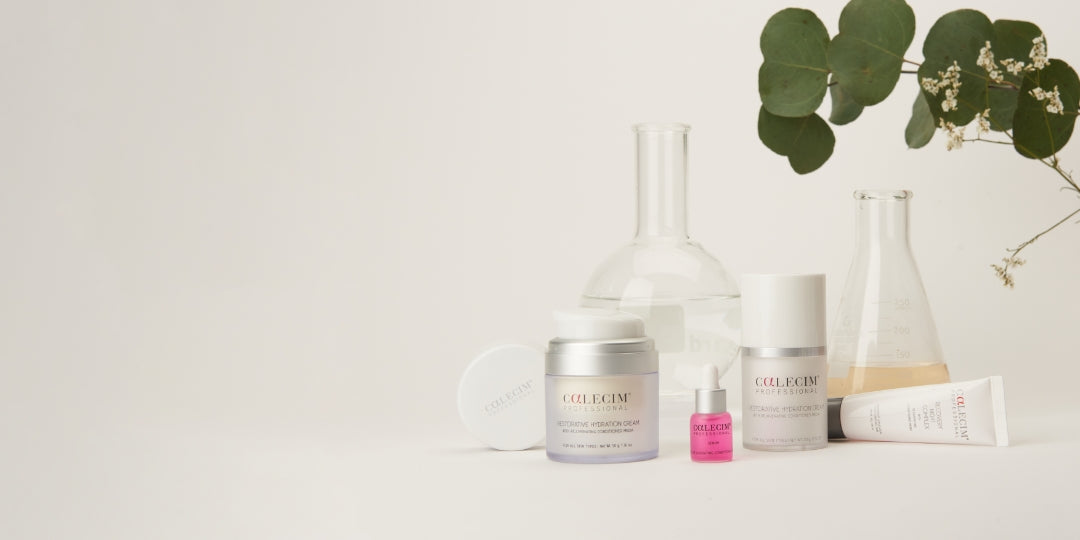
CALECIM’s Hair Serum contains PTT-6®, a proprietary blend of growth factors, cytokines and exosomal proteins used in professional and at-home hair restoration protocols. Developed from regenerative medicine research, PTT-6® helps facilitate cellular communication within the scalp and hair follicle environment.

PTT-6® has been evaluated in women experiencing menopausal and androgenetic hair loss, with findings published in the peer-reviewed PMFA Journal. These published observations, together with growing clinical use among hair restoration practitioners, have contributed to increasing interest in growth factor-based approaches for supporting healthier-looking hair growth and scalp health.

Why Consistency Matters

Trichologist Kelly Morrell notes that many women underestimate how slowly hair grows and how long it can take to see meaningful changes in density and volume. Unlike skincare, where improvements may be visible within weeks, hair follicles operate on growth cycles that can last several months.

As new hairs emerge, they require time to grow, mature and contribute to overall scalp coverage. For this reason, improvements are often gradual rather than dramatic, with many women first noticing reduced shedding, improved hair quality or small “baby hairs” before seeing visible changes in density.

Kelly also highlights that hair restoration is rarely a one-time event. Menopause-related hair thinning is often an ongoing process influenced by hormones, genetics, stress, nutrition and overall health. Supporting the hair follicle consistently over time may therefore be just as important as the treatment itself.

In her experience, the women who achieve the most noticeable improvements are often those who remain committed to their program for several months and continue supporting their hair health even after early results begin to appear.