Learn>Explore by Concern>Menopause Hair Loss>Does HRT Help Hair Loss?

Does HRT Help Hair Loss?

Some women report improvements in hair quality and thickness while using hormone replacement therapy (HRT).

However, HRT is not typically prescribed solely as a hair loss treatment and responses vary between individuals. Hair thinning during menopause is often influenced by multiple factors, including genetics, nutrition, stress and overall health.

Clinical Perspective

Dr Manav Bawa notes that while HRT may help some women, it does not address every cause of hair thinning. Many women continue to benefit from nutritional support, scalp health optimisation and direct follicle support even when hormonal symptoms are well managed.

Consultant Trichologists Anabel Kingsley and Eva Proudman have similarly emphasized the importance of looking beyond hormones alone when assessing hair loss in women. In discussions on female hair thinning, they note that nutritional deficiencies, significant life stressors, disrupted sleep, illness, rapid weight loss and hormonal fluctuations can all affect the normal hair growth cycle and contribute to increased shedding.

Both experts advocate a holistic approach to hair health that includes evaluating overall wellbeing, nutritional status and lifestyle factors alongside any targeted hair restoration treatments. Their perspective reflects a growing understanding that hair loss is often multifactorial and that successful outcomes may require addressing several contributing factors simultaneously.

Your Questions Answered

General guidance to help you understand common hair-change experiences. It is not a substitute for medical advice.
Can Menopausal Hair Loss Grow Back?

The answer depends on the underlying cause.

Temporary shedding may improve once the trigger is addressed. Where follicle miniaturization has occurred, earlier intervention is often associated with better outcomes.

Treatment approaches may include addressing nutritional deficiencies, supporting scalp health, managing underlying health conditions and using hair restoration therapies designed to support healthier-looking hair growth.

Because hair grows slowly, consistency is important and visible improvements typically require several months.

Is It Too Late To Regrow Hair After Menopause?

Earlier intervention is generally associated with better outcomes, but many women still see meaningful improvements even after years of thinning. Hair follicles often exist on a spectrum between healthy growth and complete inactivity. Where follicles remain viable, supporting scalp health, addressing nutritional deficiencies and using targeted hair restoration approaches may help improve hair appearance, density and quality over time. The goal is not simply regrowth, but helping existing follicles perform at their best.

What Are Growth Factors?

Growth factors are naturally occurring signalling proteins involved in cellular communication, tissue repair and regeneration. They help cells send and receive instructions that influence a wide range of biological processes, including wound healing, tissue renewal and the maintenance of healthy skin and hair follicles.

In the scalp, growth factors play an important role in supporting the environment surrounding the hair follicle. Hair follicles are highly active structures that rely on continuous communication between different cell types throughout the hair growth cycle. Growth factors are among the signalling molecules involved in regulating these processes.

As we age, the biological environment surrounding the hair follicle may change. Hormonal fluctuations, stress, inflammation and other factors can influence follicle function and overall hair quality. For this reason, growth factors have become an area of growing interest within regenerative medicine, aesthetic medicine and professional hair restoration.

Today, growth factors are increasingly incorporated into professional hair restoration protocols, post-procedure scalp treatments and advanced hair care formulations designed to support scalp health and healthier-looking hair growth.

What Is PTT-6®?

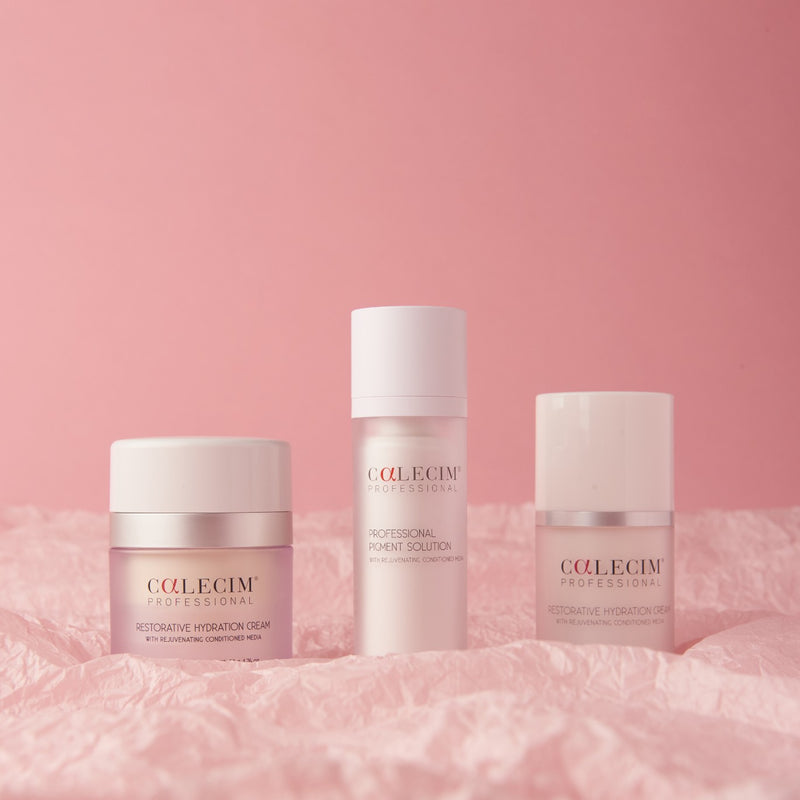
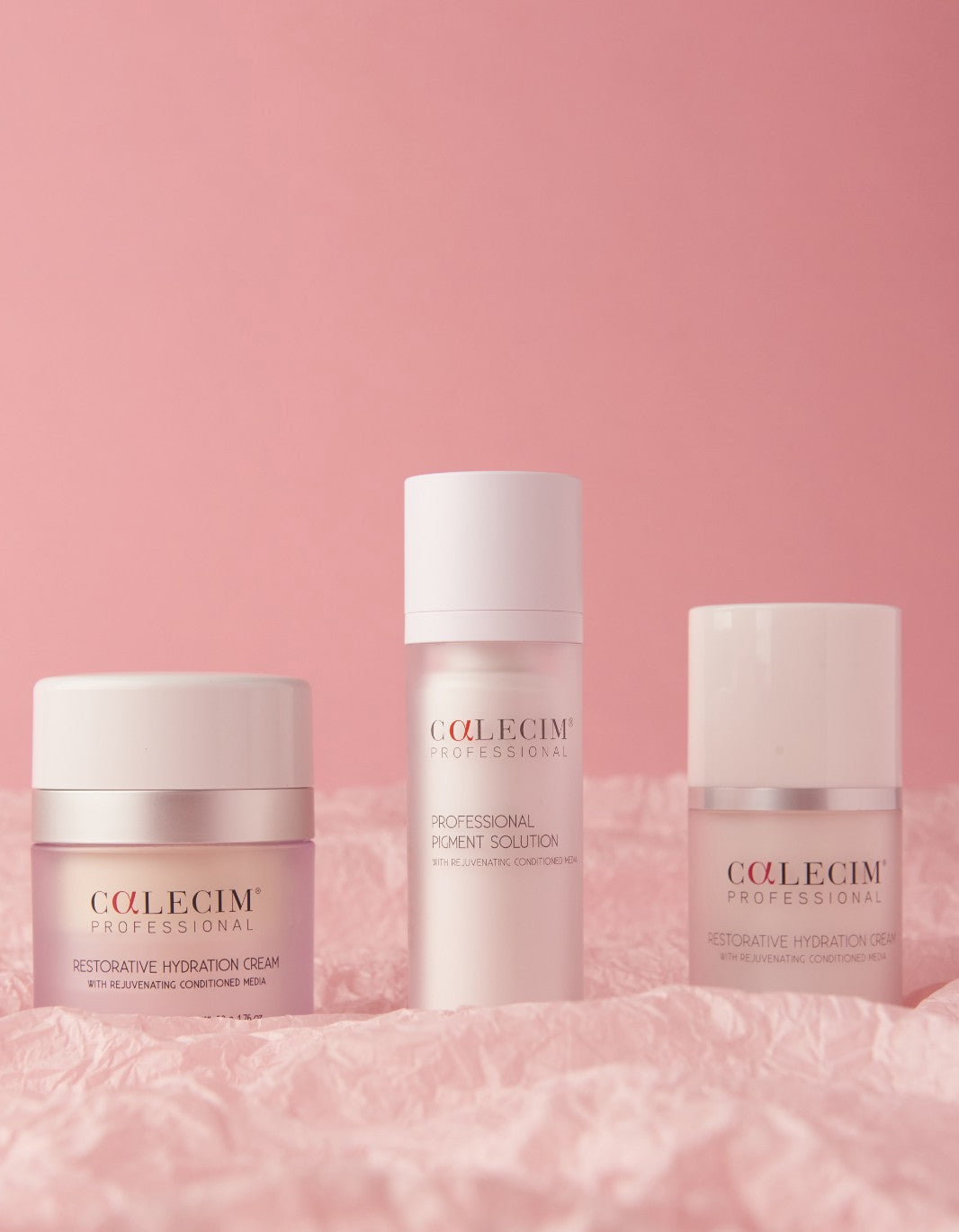
PTT-6® is CALECIM’s patented technology containing a proprietary blend of growth factors, cytokines and exosomal proteins derived from ethically sourced umbilical cord lining stem cell research. Unlike single-ingredient approaches, PTT-6® contains a broad profile of signaling molecules that work together to support communication within the scalp environment.

Developed from regenerative medicine research, PTT-6® contains more than 3,000 naturally occurring proteins involved in cellular communication. These include growth factors, cytokines and exosomal proteins that help facilitate biological signalling within the scalp and hair follicle environment.

Hair follicles are highly active structures that depend on constant communication between surrounding cells throughout the hair growth cycle. As we age, and particularly during periods of hormonal change such as menopause, the environment surrounding the follicle may become less supportive of healthy hair growth. Technologies such as PTT-6® are designed to provide biologically active signalling molecules that help support the scalp environment and healthier-looking hair growth.

Today, PTT-6® is incorporated into professional and at-home hair restoration protocols and is used by clinicians, trichologists and consumers as part of comprehensive programmes designed to support scalp health, hair quality and overall hair appearance.