Learn>Explore by Concern>Menopause Hair Loss>What Is The Difference Between Hair Shedding And Hair Thinning?

What Is The Difference Between Hair Shedding And Hair Thinning?

Hair shedding refers to increased hair fall. Hair thinning refers to a gradual reduction in hair density and follicle size.

Many women experiencing menopause-related hair loss experience both.

Hair shedding occurs when a greater number of hairs than usual enter the resting and shedding phases of the hair growth cycle. Women may notice more hair on their pillow, in the shower drain, on their hairbrush or on their clothing. Shedding can occur suddenly and is often triggered by factors such as hormonal changes, illness, significant stress, nutritional deficiencies, rapid weight loss or certain medications.

Hair thinning is different. Rather than losing more hairs than normal, the hair follicles themselves gradually produce finer, weaker and shorter hairs. Over time, this process—known as follicle miniaturisation—can reduce overall hair density and make the scalp more visible, particularly around the centre parting, crown and temples.

Many women experiencing menopause-related hair loss notice both processes occurring simultaneously. Increased shedding may make the hair feel noticeably thinner in the short term, while ongoing miniaturization can gradually reduce density over months or years.

Trichologist Perspective

Kelly Morrell describes common menopausal hair concerns as increased scalp visibility, widening partings and changes in hair texture. Hair may become finer, flatter or less voluminous long before women recognize it as hair thinning.

Your Questions Answered

General guidance to help you understand common hair-change experiences. It is not a substitute for medical advice.
What Is Hair Miniaturization?

Hair miniaturization occurs when hair follicles progressively produce finer, shorter and weaker hairs over time. As the follicle becomes smaller, each new hair growth cycle may produce a thinner strand than the one before it.

Over time, thick terminal hairs gradually become finer, reducing overall density, volume and scalp coverage.

Miniaturization is commonly associated with female pattern hair loss and is one of the primary reasons women notice a widening part, increased scalp visibility and a reduction in ponytail thickness.

Unlike temporary hair shedding, miniaturization is a gradual process that often develops over months or years. Because it occurs slowly, many women do not recognise it until they compare photographs or notice significant changes in density.

What Happens During Miniaturization?

A healthy follicle produces thick, pigmented terminal hairs that provide fullness and coverage.

As miniaturization progresses:

  • Hair strands become progressively finer.
  • Hair growth cycles may become shorter.
  • Hair may not grow as long as it once did.
  • Individual hairs provide less scalp coverage.
  • More scalp becomes visible through the hair.
  • Overall volume and density gradually decline.

Eventually, some follicles may produce extremely fine, almost invisible hairs that contribute little to overall hair density.

What Vitamins And Nutrients Affect Hair Growth?

Hair growth may be affected by:

While supplements can be helpful when a deficiency is identified, more is not always better. Hair follicles require adequate protein, iron, vitamin D, vitamin B12, folate and zinc to support normal growth. For many menopausal women, low ferritin (iron stores) and vitamin D insufficiency are among the most commonly identified findings. A balanced diet, appropriate testing and targeted supplementation where required are generally more effective than taking multiple hair supplements without identifying an underlying deficiency.

  • Protein intake
  • Iron status
  • Vitamin D
  • Vitamin B12
  • Zinc
  • Thyroid health

Women concerned about hair loss should discuss appropriate testing with a healthcare professional.

What Are Growth Factors?

Growth factors are naturally occurring signalling proteins involved in cellular communication, tissue repair and regeneration. They help cells send and receive instructions that influence a wide range of biological processes, including wound healing, tissue renewal and the maintenance of healthy skin and hair follicles.

In the scalp, growth factors play an important role in supporting the environment surrounding the hair follicle. Hair follicles are highly active structures that rely on continuous communication between different cell types throughout the hair growth cycle. Growth factors are among the signalling molecules involved in regulating these processes.

As we age, the biological environment surrounding the hair follicle may change. Hormonal fluctuations, stress, inflammation and other factors can influence follicle function and overall hair quality. For this reason, growth factors have become an area of growing interest within regenerative medicine, aesthetic medicine and professional hair restoration.

Today, growth factors are increasingly incorporated into professional hair restoration protocols, post-procedure scalp treatments and advanced hair care formulations designed to support scalp health and healthier-looking hair growth.

What Is PTT-6®?

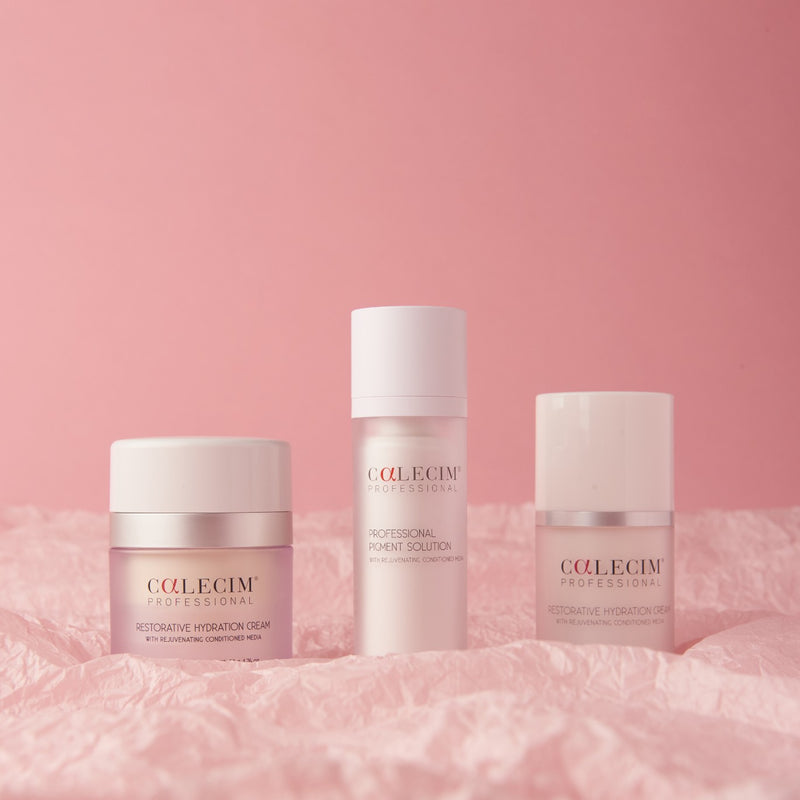
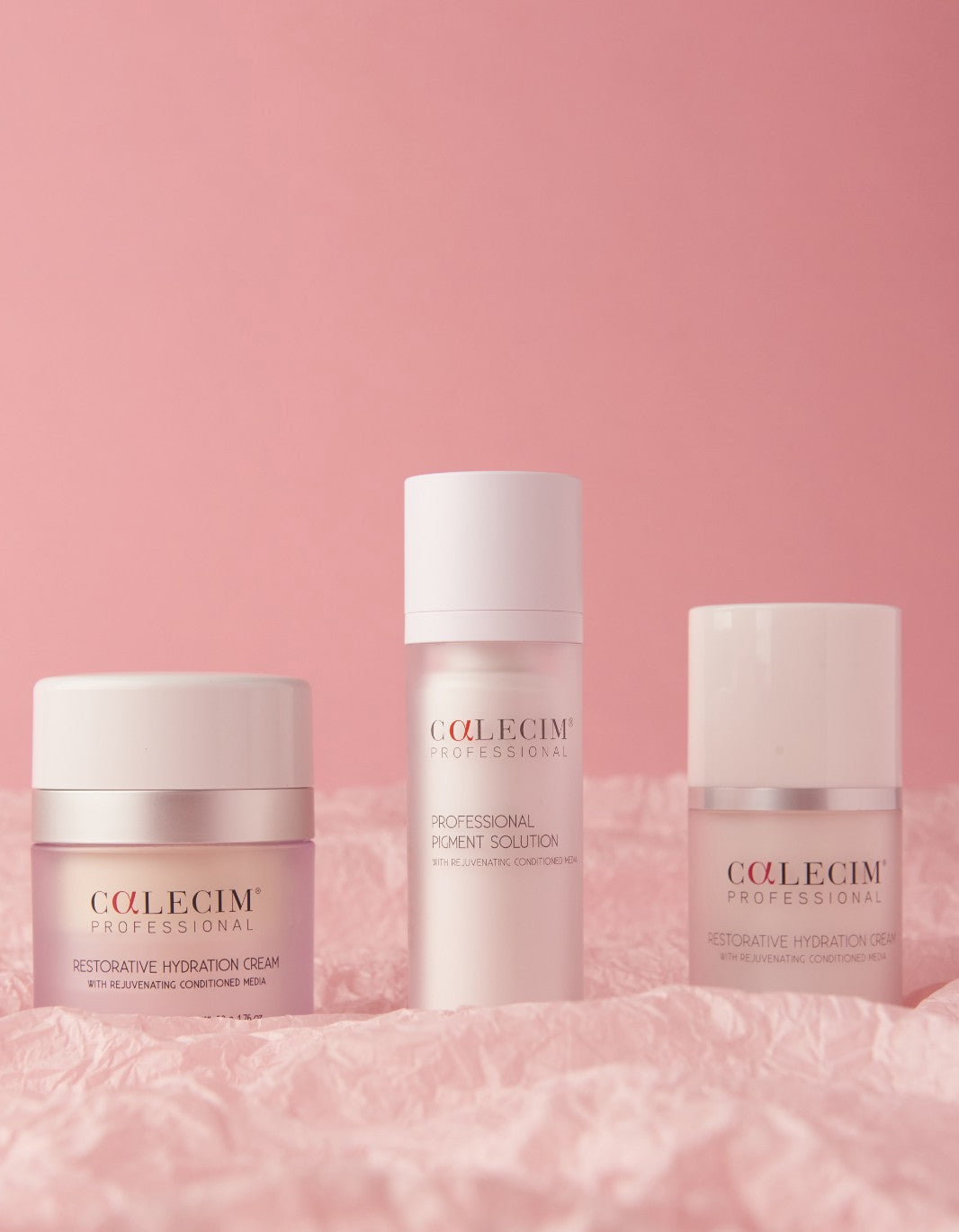
PTT-6® is CALECIM’s patented technology containing a proprietary blend of growth factors, cytokines and exosomal proteins derived from ethically sourced umbilical cord lining stem cell research. Unlike single-ingredient approaches, PTT-6® contains a broad profile of signaling molecules that work together to support communication within the scalp environment.

Developed from regenerative medicine research, PTT-6® contains more than 3,000 naturally occurring proteins involved in cellular communication. These include growth factors, cytokines and exosomal proteins that help facilitate biological signalling within the scalp and hair follicle environment.

Hair follicles are highly active structures that depend on constant communication between surrounding cells throughout the hair growth cycle. As we age, and particularly during periods of hormonal change such as menopause, the environment surrounding the follicle may become less supportive of healthy hair growth. Technologies such as PTT-6® are designed to provide biologically active signalling molecules that help support the scalp environment and healthier-looking hair growth.

Today, PTT-6® is incorporated into professional and at-home hair restoration protocols and is used by clinicians, trichologists and consumers as part of comprehensive programmes designed to support scalp health, hair quality and overall hair appearance.