Learn>Explore by Concern>Menopause Hair Loss>Why Does Hair Shed After 40?

Why Does Hair Shed After 40?

Hair shedding after 40 can be influenced by a number of factors including perimenopause, menopause, stress, nutritional deficiencies, thyroid conditions and female pattern hair loss.

Many women experience a combination of factors rather than a single cause.

As women enter their 40s and 50s, hormonal fluctuations associated with perimenopause and menopause can affect the normal hair growth cycle, increasing the proportion of hairs in the shedding phase. At the same time, follicles may become more susceptible to miniaturisation, resulting in finer, weaker hair growth over time.

However, hormones are only part of the story. Hair specialists frequently identify additional contributing factors including low iron stores, vitamin D deficiency, thyroid dysfunction, chronic stress, poor sleep, significant weight loss, illness, medication changes and genetic female pattern hair loss. These factors may occur independently or alongside menopause, making it difficult to identify a single cause.

For many women, hair shedding after 40 is therefore not the result of one event but the cumulative effect of several biological, hormonal and lifestyle changes occurring simultaneously.

Clinical Perspective

Dr Manav Bawa notes that hair loss during midlife is often multifactorial. In addition to hormonal changes, he highlights ferritin (iron stores), vitamin D, vitamin B12, folate, zinc, thyroid function, stress levels and sleep quality as important considerations when evaluating excessive shedding.

Your Questions Answered

General guidance to help you understand common hair-change experiences. It is not a substitute for medical advice.
What Is Menopause Hair Loss?

Menopause hair loss refers to the thinning, shedding and reduction in hair density that can occur during perimenopause, menopause and post-menopause. Hormonal changes may affect the hair growth cycle, leading to reduced volume, increased scalp visibility and slower regrowth.

For many women, the first signs are subtle. Hair may feel less dense, a ponytail may become thinner or the scalp may become more visible in certain lighting conditions.

What Is Hair Miniaturization?

Hair miniaturization occurs when hair follicles progressively produce finer, shorter and weaker hairs over time. As the follicle becomes smaller, each new hair growth cycle may produce a thinner strand than the one before it.

Over time, thick terminal hairs gradually become finer, reducing overall density, volume and scalp coverage.

Miniaturization is commonly associated with female pattern hair loss and is one of the primary reasons women notice a widening part, increased scalp visibility and a reduction in ponytail thickness.

Unlike temporary hair shedding, miniaturization is a gradual process that often develops over months or years. Because it occurs slowly, many women do not recognise it until they compare photographs or notice significant changes in density.

What Happens During Miniaturization?

A healthy follicle produces thick, pigmented terminal hairs that provide fullness and coverage.

As miniaturization progresses:

  • Hair strands become progressively finer.
  • Hair growth cycles may become shorter.
  • Hair may not grow as long as it once did.
  • Individual hairs provide less scalp coverage.
  • More scalp becomes visible through the hair.
  • Overall volume and density gradually decline.

Eventually, some follicles may produce extremely fine, almost invisible hairs that contribute little to overall hair density.

What Treatments Are Available For Menopause Hair Loss?

Treatment approaches may include:

  • Lifestyle optimization
  • Nutritional support
  • HRT where appropriate
  • Topical minoxidil
  • Professional hair restoration treatments
  • Growth factor-based therapies

Menopause Hair Loss Treatment with Stem Cell Serum PTT-6®

Professional hair restoration protocols may include growth factor-based treatments designed to support the scalp environment and encourage healthier-looking hair.

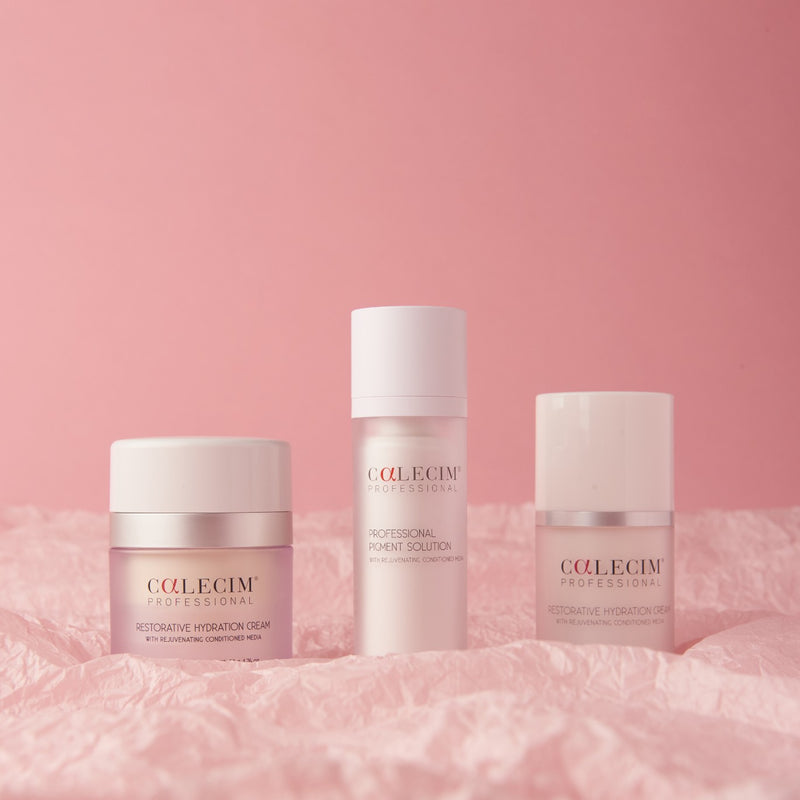
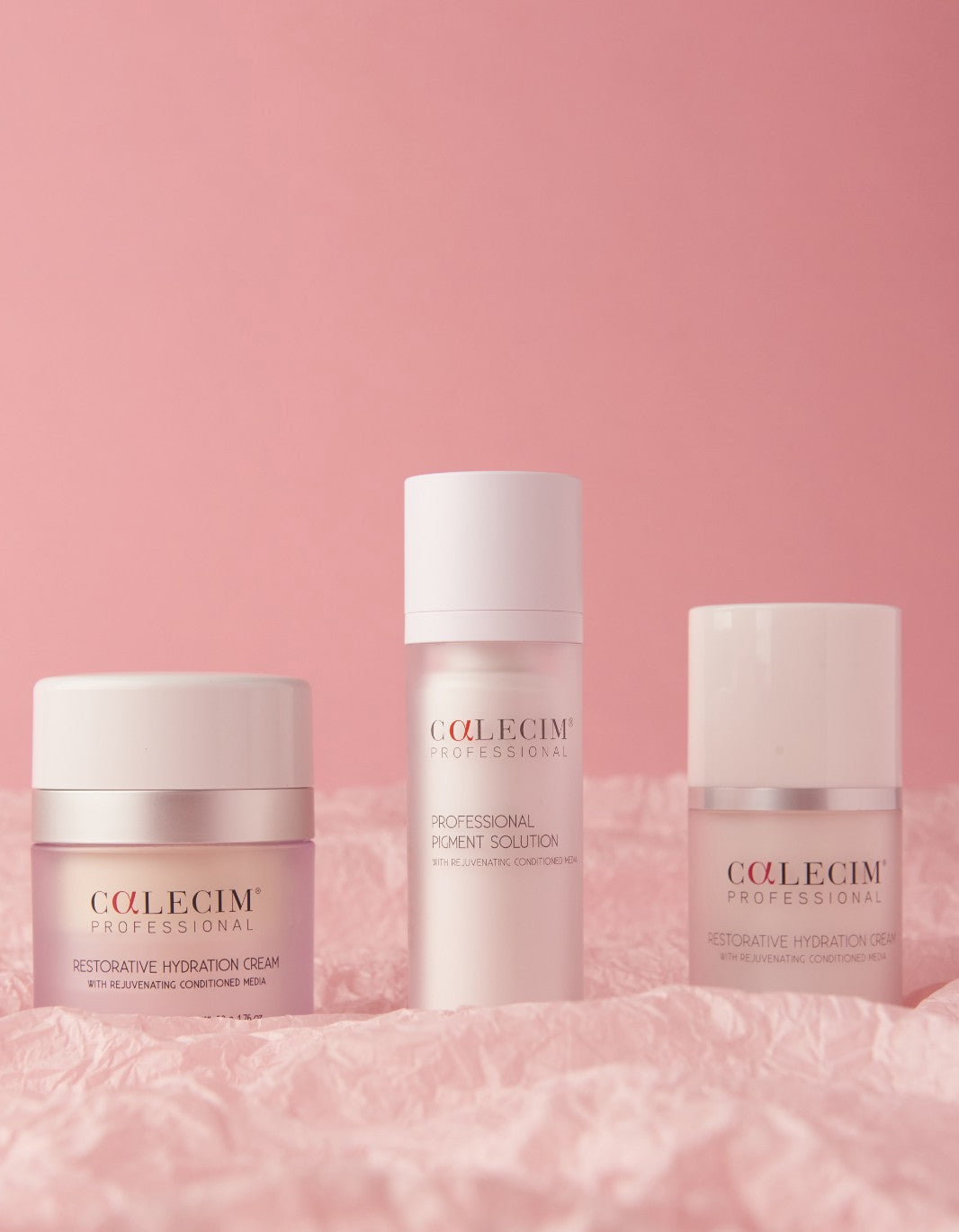
CALECIM’s Hair Serum contains PTT-6®, a proprietary blend of growth factors, cytokines and exosomal proteins used in professional and at-home hair restoration protocols. Developed from regenerative medicine research, PTT-6® helps facilitate cellular communication within the scalp and hair follicle environment.

PTT-6® has been evaluated in women experiencing menopausal and androgenetic hair loss, with findings published in the peer-reviewed PMFA Journal. These published observations, together with growing clinical use among hair restoration practitioners, have contributed to increasing interest in growth factor-based approaches for supporting healthier-looking hair growth and scalp health.

Why Consistency Matters

Trichologist Kelly Morrell notes that many women underestimate how slowly hair grows and how long it can take to see meaningful changes in density and volume. Unlike skincare, where improvements may be visible within weeks, hair follicles operate on growth cycles that can last several months.

As new hairs emerge, they require time to grow, mature and contribute to overall scalp coverage. For this reason, improvements are often gradual rather than dramatic, with many women first noticing reduced shedding, improved hair quality or small “baby hairs” before seeing visible changes in density.

Kelly also highlights that hair restoration is rarely a one-time event. Menopause-related hair thinning is often an ongoing process influenced by hormones, genetics, stress, nutrition and overall health. Supporting the hair follicle consistently over time may therefore be just as important as the treatment itself.

In her experience, the women who achieve the most noticeable improvements are often those who remain committed to their program for several months and continue supporting their hair health even after early results begin to appear.