BESTSELLERS





Products

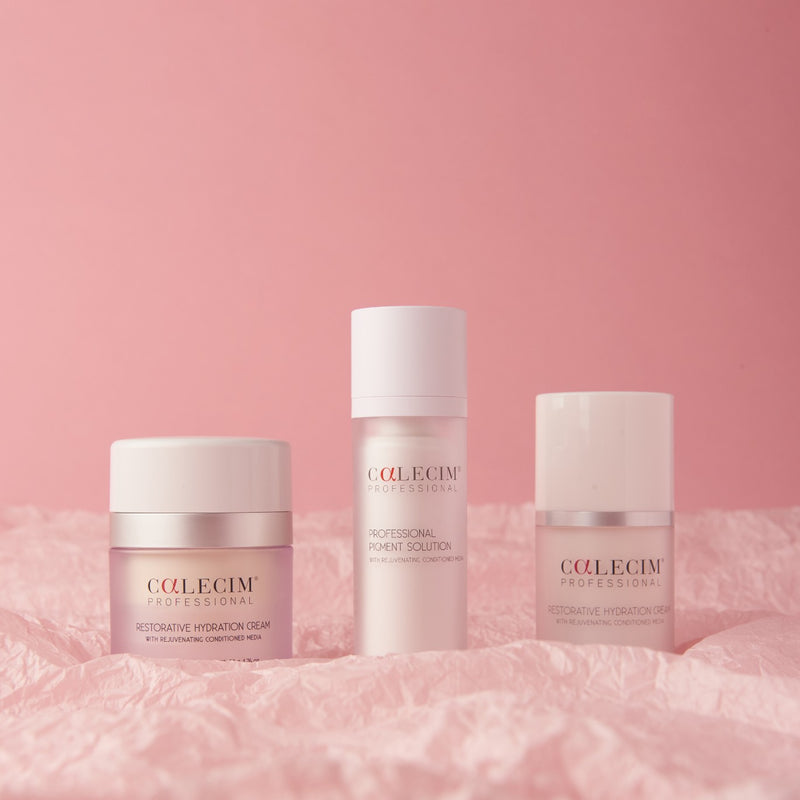
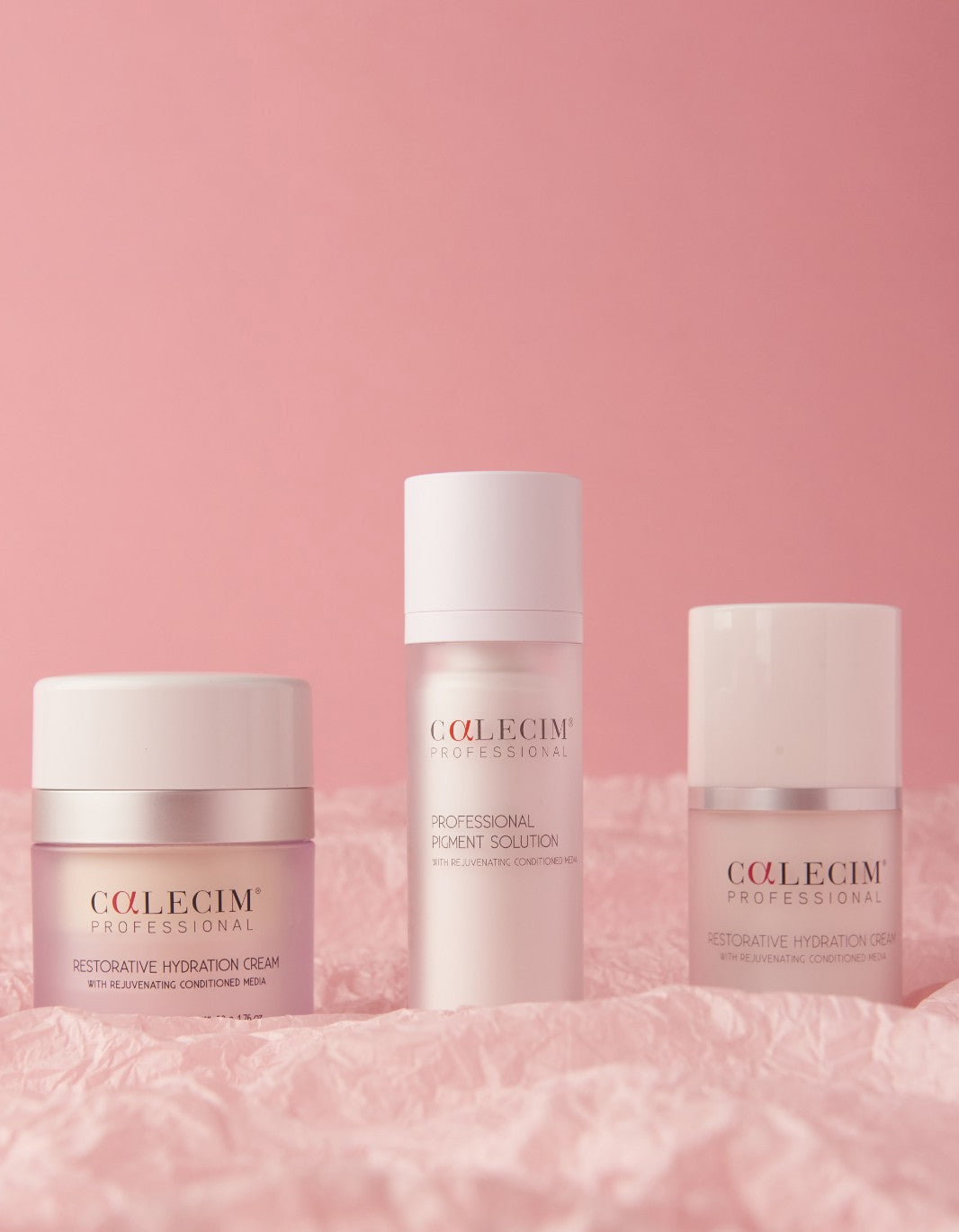
Contains the highest concentration of PTT-6® to reduce fine lines and wrinkles

Helps boost collagen and elastin production

Age-defying solution for eyes powered by PTT-6®️

Deeply hydrates and replenishes dry, dull skin

Bestselling Bundles

Firm, volumizes and hydrates: this bundle of our 2 bestselling...

A nurturing combination for skin that is hyperpigmented and se...
Product

The 6-week hair loss treatment with clinically validated results
Real-life results

Before

After
Clinical observation by scalp technician and aesthetic practitioner Kelly Morrell, 6 weeks usage

Before

After
Clinical observation by scalp technician and aesthetic practitioner Kelly Morrell, 6 months usage

Before

After
Clinical observation by Ms. Faz Iqbal, RN, Hair Restoration Specialist, 6 weeks usage

Before

After
Clinical observation by Dr Samuel Figueroa of Dutch Hollow Medispa, 6 weeks usage
TRUSTED BY SPECIALISTS
“With the right candidates, I’ve found CALECIM® Hair Serum delivers excellent results even in patients who were unresponsive to Minoxidil.”
Kelly Morrell
Scalp Technician
.jpg?v=1746528011060)


.jpg?v=1758189187340)