One of the reasons microneedling has become so widely adopted is its versatility. The treatment can be tailored to address a range of skin and scalp concerns and is suitable for many patients seeking a minimally invasive approach to skin rejuvenation or hair restoration.
However, like any aesthetic procedure, microneedling is not appropriate for everyone. The best candidates are typically those with realistic expectations and concerns that align with what the treatment is designed to address.
Microneedling for Skin Rejuvenation
Microneedling may be suitable for individuals looking to improve:
- Fine lines and early signs of aging
- Uneven skin texture
- Enlarged pores
- Mild skin laxity
- Acne scars
- Surgical scars
- Stretch marks
Because microneedling stimulates the skin’s natural repair response, results tend to develop gradually over time and often improve with a series of treatments.
Skin Types and Microneedling
One of the advantages of microneedling is that it can be performed across a broad range of skin tones.
Unlike certain energy-based treatments that rely on heat, microneedling may be associated with a lower risk of post-inflammatory hyperpigmentation when performed appropriately, making it a popular option for patients with darker skin types.
When Microneedling May Not Be Appropriate
Microneedling may need to be postponed or avoided in certain situations.
These may include:
- Active skin infections
- Active acne breakouts in the treatment area
- Open wounds
- Severe inflammatory skin conditions
- Uncontrolled medical conditions affecting wound healing
- Recent procedures where the skin has not yet fully recovered
Patients should always discuss their medical history and current medications with their practitioner before treatment.
Microneedling for Hair Thinning
Microneedling is increasingly incorporated into hair restoration protocols for individuals experiencing:
- Female pattern hair loss
- Male pattern hair loss
- Early-stage hair thinning
- Reduced hair density
- Certain cases of telogen effluvium
- Traction alopecia
As with all hair-loss treatments, identifying the underlying cause is an important first step.
Trichologist Perspective
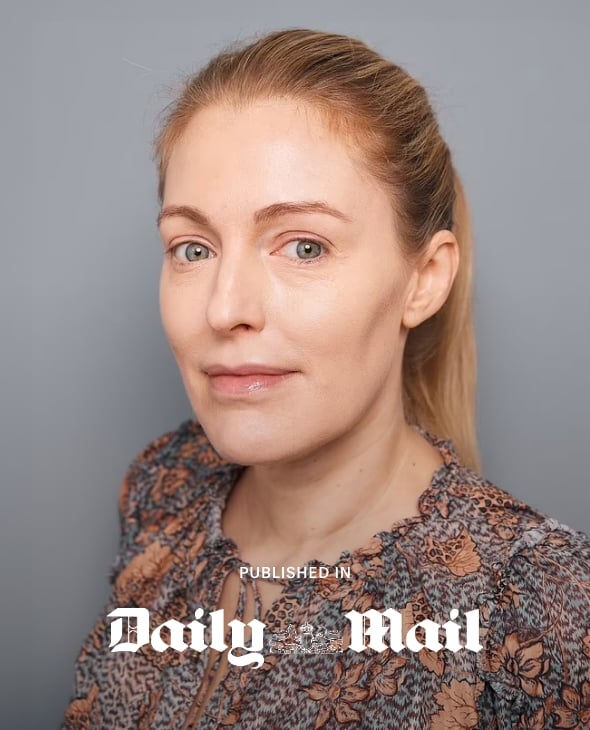
According to trichologist Hannah Gaboardi, effective treatment begins with understanding the scalp itself.
At her clinic, patients undergo detailed scalp analysis using high-resolution trichoscopy to assess follicular health, miniaturization patterns, scalp condition and overall hair density before treatment recommendations are made.
This personalized approach helps ensure that treatment plans are tailored to the individual’s specific presentation rather than applied universally.
Clinical Perspective
Successful outcomes are often determined not only by the procedure itself, but by appropriate patient selection, treatment planning and aftercare.
For this reason, many experienced practitioners view consultation and assessment as essential components of the treatment process.
The most effective microneedling protocol for one patient may not be appropriate for another, even when presenting concerns appear similar.
Published Perspective
The American Academy of Dermatology notes that microneedling can be used to address a variety of concerns, including scars, wrinkles, enlarged pores and uneven skin tone. The organization also emphasises the importance of treatment by a qualified professional and appropriate patient assessment before proceeding with treatment.






.jpg?v=1746528011060)


.jpg?v=1758189187340)