Acne scars are among the most common reasons people seek microneedling treatment. Unlike active acne, which involves inflammation of the skin, acne scars result from changes in the skin’s underlying structure following the healing process.
Microneedling is widely used to improve the appearance of atrophic acne scars, which include rolling scars, boxcar scars and certain shallow depressed scars. By stimulating the skin’s natural repair response and encouraging collagen remodeling, microneedling may help improve skin texture and reduce the visibility of scarring over time.
Because collagen remodeling occurs gradually, improvements typically develop over a series of treatments rather than after a single session.
How Microneedling Helps Acne Scars
Acne scars form when inflammation disrupts normal collagen production during wound healing.
Microneedling works by creating controlled micro-injuries within the skin, triggering a new repair response that encourages collagen production and tissue remodeling.
As new collagen forms and matures, depressed scars may appear smoother and less noticeable.
The goal is not necessarily to erase scars completely, but to improve the overall appearance of the skin and reduce the contrast between scarred and unaffected areas.
Published Perspective
Microneedling is one of the most extensively studied treatments for atrophic acne scars.
A systematic review published in Dermatologic Surgery identified 33 articles; all reported improvement in acne-scar appearance, although comparative evidence versus combination treatments or fractional laser was inconsistent.
Because microneedling does not rely on heat or aggressive resurfacing, it is often considered an attractive option for patients with darker skin tones, where certain laser procedures may carry a greater risk of post-inflammatory hyperpigmentation.
Clinical Perspective
Acne scar treatment often requires a personalized approach. Factors such as scar type, skin quality, scar depth and patient expectations all influence treatment planning.
Many practitioners combine microneedling with complementary therapies designed to support skin recovery and optimize treatment outcomes.
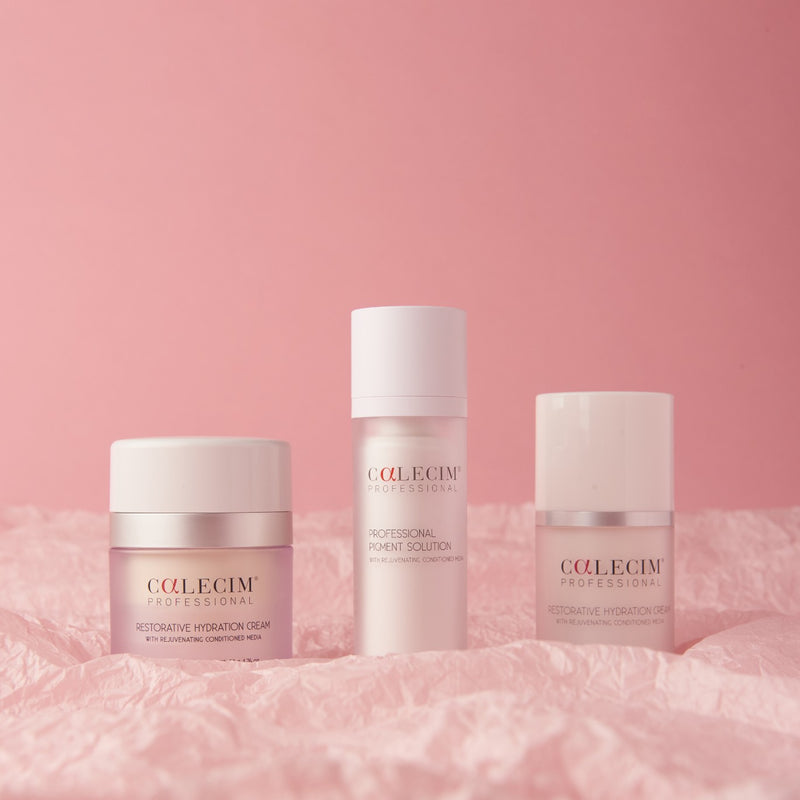
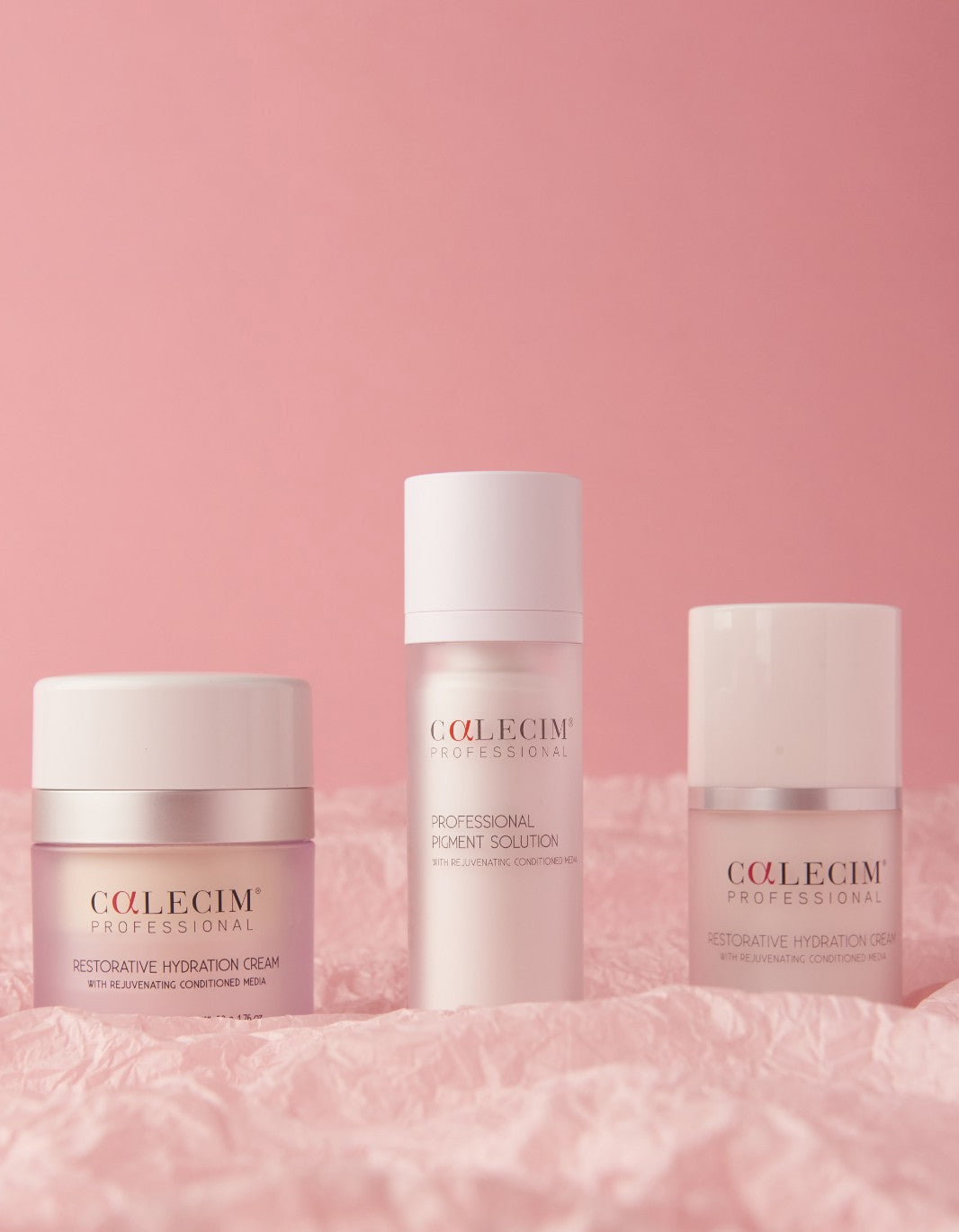
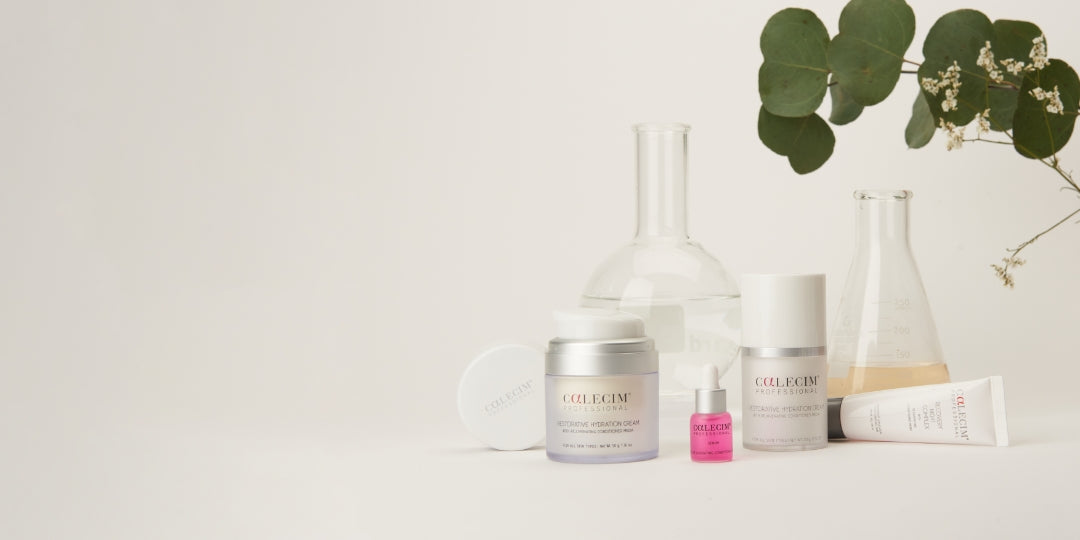
In clinical practice, CALECIM® Professional Serum is frequently paired with microneedling procedures as part of post-treatment recovery protocols.
Clinical Case Study
A case study published in Aesthetics Journal documented the use of medical microneedling combined with CALECIM® Professional Serum in the treatment of acne scarring.
Aesthetic practitioner Adrian Baker reported visible improvements in skin texture and scar appearance following a series of treatments, highlighting the potential value of combining collagen induction with regenerative post-procedure support.
While individual outcomes vary, the case reflects a broader trend toward integrating post-treatment recovery protocols into acne scar management.
Why Multiple Treatments Are Often Recommended
Acne scars develop over months or years, and meaningful improvement usually requires patience.
Most practitioners recommend a course of treatments spaced several weeks apart to allow collagen remodeling to occur between sessions.
The number of sessions required depends on:
- Scar type
- Scar severity
- Skin quality
- Treatment goals
- Whether combination therapies are used
Many patients begin noticing gradual improvements after several sessions, with continued changes occurring as collagen remodeling progresses.





.jpg?v=1746528011060)


.jpg?v=1758189187340)