

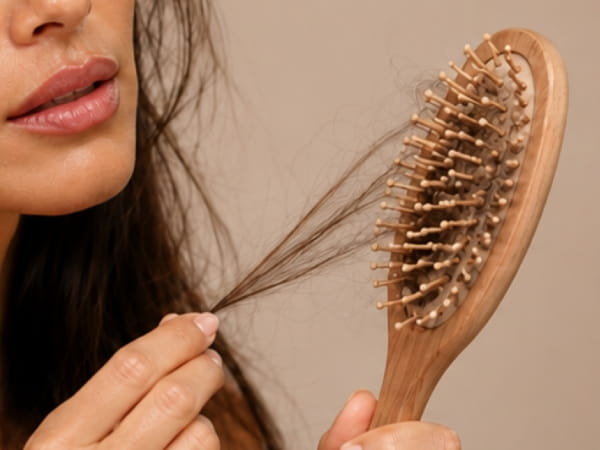
After illness or COVID-19
Fever, illness and physical stress can temporarily disrupt the hair cycle. Shedding may appear several months after recovery.
If your country does not appear on our list provided above, please select your country below to view the availability list:
For all other countries, please email us at customerservice@calecim.com
MEILLEURES VENTES
LECTURES POPULAIRES
Contient la plus forte concentration de PTT-6® pour réduire les rides et les ridules
Stimule la production de collagène et d'élastine
Solution anti-âge pour les yeux grâce à la technologie PTT-6®️
Hydrate en profondeur et régénère les peaux sèches et ternes
Un traitement de qualité supérieure pour les teints irrégulier...
Une combinaison nourrissante pour les peaux présentant des hyp...
Traitement contre la chute des cheveux en 6 semaines avec des résultats cliniquement validés
Before
After
Observation clinique par Kelly Morrell, praticienne esthétique et spécialiste des soins du cuir chevelu, utilisation pendant 6 semaines
Before
After
Observation clinique par Kelly Morrell, praticienne esthétique et spécialiste des soins du cuir chevelu, utilisation pendant 6 mois
Before
After
Observation clinique par Mme Faz Iqbal, infirmière diplômée, spécialiste en restauration des cheveux, utilisation pendant 6 semaines
Before
After
Observation clinique par Dr Samuel Figueroa du Dutch Hollow Medispa, utilisation pendant 6 semaines
« Avec Les Bons Candidats, J'Ai Constaté Que Le Sérum Capillaire CALECIM® Offre D'Excellents Résultats, Même Chez Les Patients N'Ayant Pas Répondu Au Minoxidil. »
Kelly Morrell
Technicien du cuir chevelu
Hair Confidence Month

“Women’s hair loss is a very common phenomenon and it’s also highly treatable.”
— Dr Munir Somji
“The drug-free treatment that tells follicles to grow”
“Sends cellular messages to hair follicles”
“It’s given me my hair back, simple” — HB
Real customer journeys


Widening at parting
“These pictures are 7 weeks apart. I am so happy!” — J Montenegro
Overall diffuse thinning
“Fiona is blown away by her results at 5 weeks.” — @clarkeandcohair
Reduced hair vitality and widening at parting
“Easy process and it works!” — D Augustin
Thinning at temples
“My client completed her 12-week Treatment Plan, and the progress speaks for itself!” — @mavenhairstudiotx
Moderate thinning and diminished hair quality
“It helped my hair grow again!” — M. Salim
Moderate frontal thinning
“I don’t recommend hair loss treatments easily. Hair thinning is personal, emotional, and different for everyone which is exactly why I tested this myself before ever offering it in the salon.” — @evelinabeautysalon @lucy_sargsyan_
Customer experiences are personal. Individual results and timelines vary. Photographs are shared with permission and are not retouched.
Understanding hair changes
Fever, illness and physical stress can temporarily disrupt the hair cycle. Shedding may appear several months after recovery.
Physical or emotional stress can shift more hairs into the resting stage. The change is often delayed—not immediate.
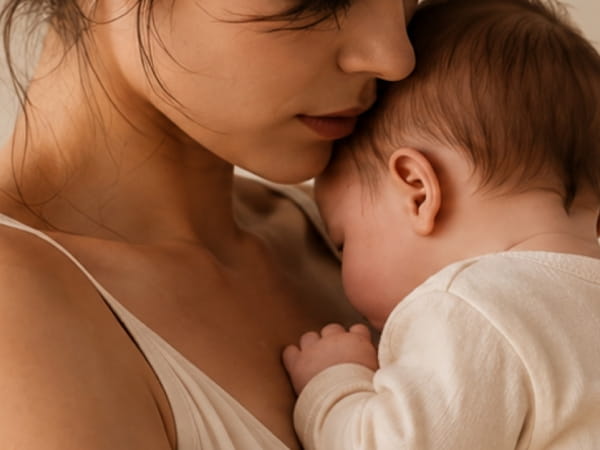
Increased shedding can occur in the months after childbirth as the natural hair cycle readjusts.
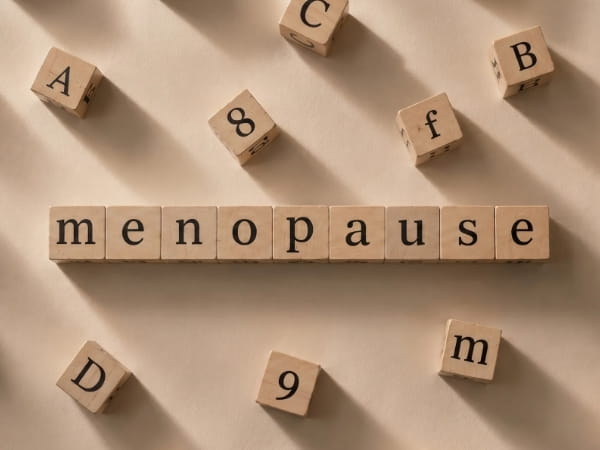
Hormonal changes may coincide with finer-feeling hair, reduced-looking density or a more visible scalp.
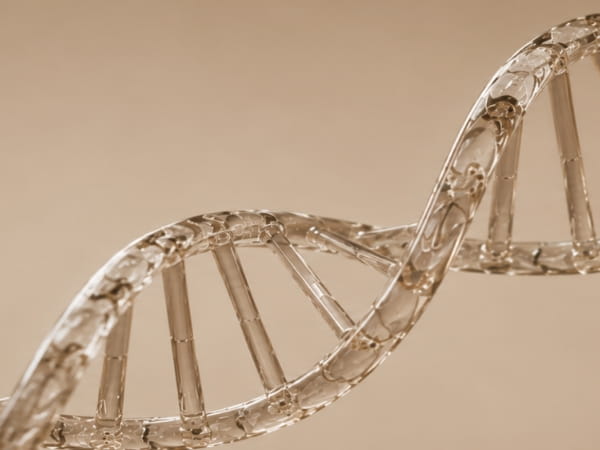
Inherited thinning often develops gradually and may become more noticeable around the part or crown.
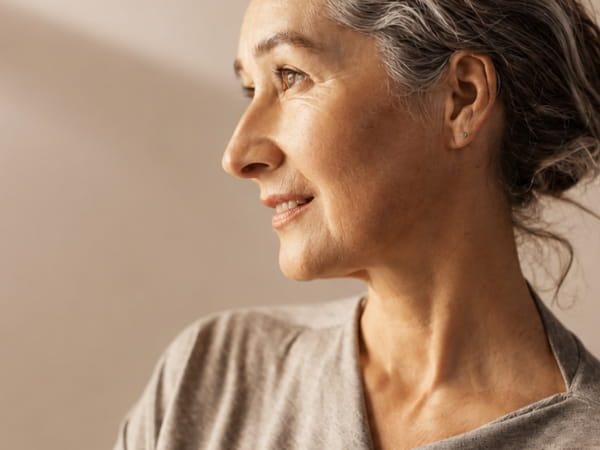
Over time, individual strands may feel finer and the hair’s overall density can appear reduced.
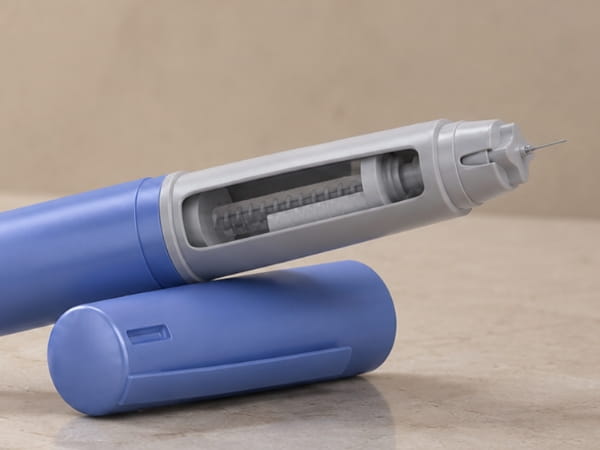
Some people report thinning during significant weight loss. Rapid change, nutrition and physical stress may contribute.
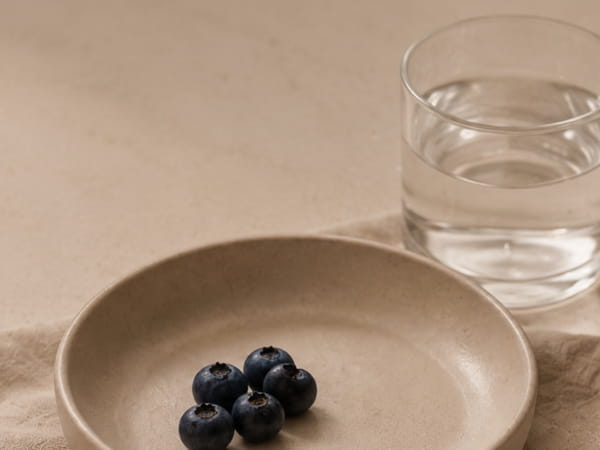
Marked weight loss, extreme dieting and changes in nutrient intake can be associated with increased shedding.
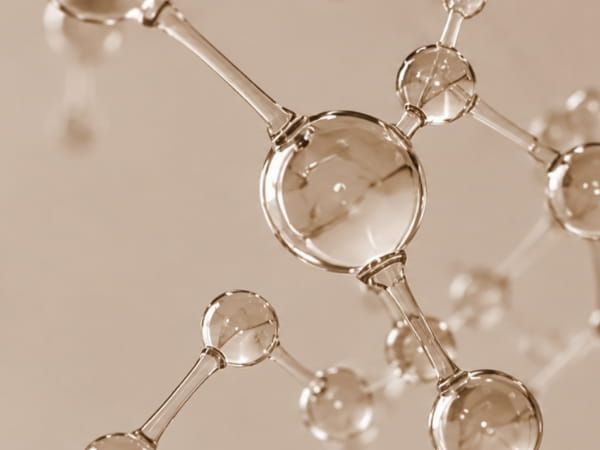
Hormonal shifts can coincide with changes in strand thickness, density and the normal hair-growth cycle.
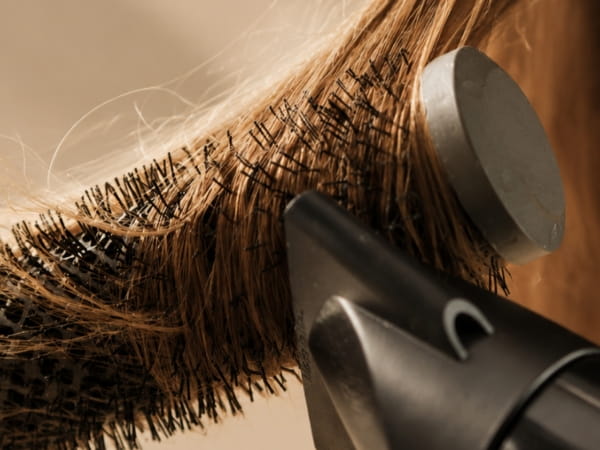
Repeated heat and chemical services can weaken the hair fibre and make shorter broken strands more visible.
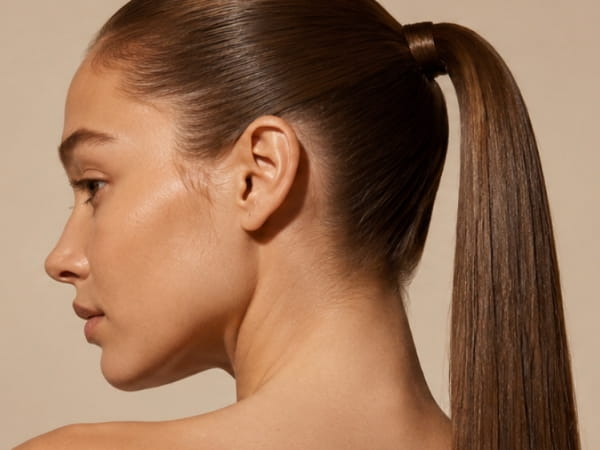
Tight hairstyles and repeated pulling can place stress around the hairline and other vulnerable areas.
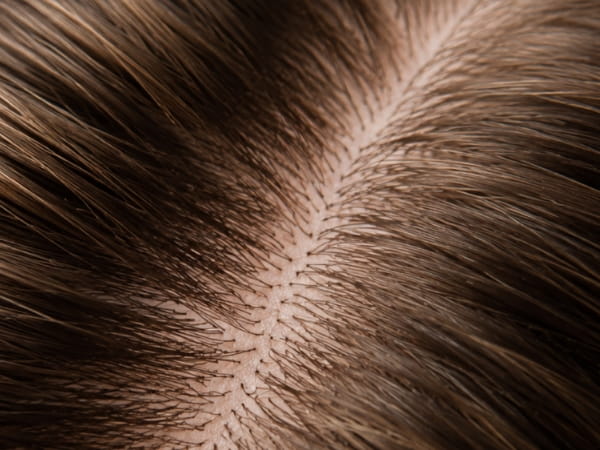
Dryness, irritation and product build-up may affect scalp comfort and how healthy the hair appears.
A journey that takes time
Before you begin
Choose two treatment days each week, ideally after washing your hair when your scalp is clean and dry. Take clear starting photographs.
Weeks 1–4
Use the supplied derma stamper as directed, then apply half an ampoule of Hair Serum to the areas of concern, twice weekly.
Weeks 5–8
Continue twice weekly. Fine new hairs—often called baby hairs—may be an early visible sign of renewed growth. Timing varies for everyone.
Weeks 9–12
Be prepared to use the Hair Serum twice weekly for up to 12 weeks. Some users notice changes sooner, while others may require the full treatment period.
Week 12 & beyond
Once early signs of regrowth appear, move to half an ampoule once weekly. Ongoing maintenance helps support the progress made during the initial treatment phase.
“My hair is healthier, visibly thicker and I have lots of baby hairs around my temples. This is the only product that— B. Romascu
truly works!”
Many users report continued progress in density and hair quality after a year of consistent use. Individual results and timelines vary. Final regimen and claims require clinical and regulatory approval.
Refer a friend
For you
15%
Receive 15% off when an eligible friend completes their first qualifying purchase.
For your friend
15%
Your friend receives 15% off their first eligible purchase.
“I’d feel like a terrible friend if 10 years down the road she has lost a significant amount of hair and feels bad about it, and all along it was preventable if I had simply told her it was happening and how to treat it.”
Community post · r/FemaleHairLoss
Shedding means more hairs are falling out than usual. Thinning describes a reduction in how dense or full the hair appears. They can happen together, but they are not necessarily the same experience.
When to speak to a professional
Gardez une longueur d'avance grâce aux dernières avancées en matière de soins de la peau et des cheveux à base de cellules souches. Profitez également de réductions importantes et de programmes d'échantillonnage.

E-mail envoyé, profitez de 10 % de réduction sur nos produits de soins pour la peau et les cheveux